What It’s Like To Own A Waterfront Home On Lake Wylie
February 19, 2026
February 19, 2026
Sunrise on calm water, coffee in hand, and your boat waiting at the dock. If that sounds like your ideal morning, a Lake Wylie waterfront home could be a perfect fit. At the same time, living on the water comes with unique rules, permits, and maintenance to plan for. In this guide, you’ll learn what daily life on Lake Wylie really looks like, how docks and shorelines are approved, what costs to expect, and the key due-diligence steps before you buy. Let’s dive in.
Lake Wylie is a man-made reservoir on the Catawba River, spanning North and South Carolina. It covers roughly 13,400 acres with about 325 miles of shoreline. For a quick overview of the lake’s size, access points, and recreation, review the South Carolina Department of Natural Resources summary of Lake Wylie. You’ll also see how the lake fits into the broader Catawba–Wateree system, which influences water levels and recreation.
Operations and shoreline rules are shaped by Duke Energy’s Catawba–Wateree hydroelectric project and related management programs. Water levels and release schedules balance power generation, water supply, environmental protections, and recreation. That planning helps keep the lake usable for homeowners, marinas, and public access.
You’ll see a mix of lot types and homes along Lake Wylie in York County:
Architecture ranges from older cottages and mid-century lake houses to newer custom builds and planned communities. The specific lot, view, dock rights, and HOA amenities drive value more than any single factor.
The single most important concept for Lake Wylie buyers is that Duke Energy regulates most shoreline work and docks inside the project boundary. The Catawba–Wateree Shoreline Management Plan explains what is allowed, where it is allowed, and how to apply. Start every dock conversation by confirming what the shoreline classification is for that parcel and whether a new or replacement structure is feasible.
York County does not issue dock permits for Lake Wylie. The county can issue associated electrical permits, but the dock itself must be authorized through Duke. Ask the seller for copies of any past Duke approvals and related permits so you understand what exists and what may transfer.
Depending on the site, projects can involve multiple agencies. Work that affects wetlands or involves dredging may require U.S. Army Corps of Engineers review, and state water-quality agencies may weigh in. Straightforward residential dock applications commonly take several weeks to a few months. More complex sites can take longer.
Before you submit, gather the right materials. Experienced local dock builders often prepare these packets for you:
Expect administrative and habitat-related fees with conditions like maximum walkway length, minimum cove width, and required distances from neighbors. Fee amounts and rules change over time, so verify the current schedule and shoreline maps for your specific lot.
If you plan to trailer a boat, proximity to public ramps matters. Popular launch sites include the Buster Boyd Bridge ramp, Allison Creek, Ebenezer Park, and Nivens Creek Landing. You can scan locations and options using a public ramp list for South Carolina lakes.
Lake Wylie uses marked no-wake zones that interact with both North Carolina and South Carolina boating laws. The Lake Wylie Marine Commission explains how local no-wake areas work and the distances used for enforcement. Plan your swimming, mooring, and dock design with these markers in mind.
Multiple agencies patrol the lake, and seasonal safety checks are common around summer holidays. Keep registration, required safety gear, and life jackets ready. If you regularly boat across the state line on Lake Wylie, verify vessel registration and insurance requirements with your home-state agency before launching.
Lenders look at FEMA maps to determine official flood zones. If your property is in a Special Flood Hazard Area, a federally regulated lender will usually require an NFIP flood policy. Even if the map shows lower risk, consider getting an elevation certificate and an early quote for flood insurance. The FEMA Flood Map Service Center is the authoritative source to check a parcel.
Homeowners insurance does not normally cover flood damage. Boat insurance is a separate policy from your home policy. Docks, lifts, and shoreline improvements may have coverage limits or exclusions, so ask your agent to quote each item. Price it early to prevent surprises.
Budget realistically for waterfront improvements. Based on broad market data, small residential floating docks can run from the low thousands into the tens of thousands depending on size, materials, and configuration. A custom dock with a boat lift often lands in the mid five figures, and lifts alone can range from the low thousands to around ten to fifteen thousand depending on type.
Shoreline stabilization can add up fast. Riprap is often more economical per foot, while concrete or steel bulkheads cost more. Ranges of a few hundred dollars per linear foot are common depending on site access and depth. If a lot shows erosion, plan for a potential five-figure stabilization project.
Lake Wylie is busiest from late spring through summer, especially on holiday weekends. Expect more boat traffic, fuller marinas, and heavier enforcement during that window. The shoulder seasons in spring and fall are still active for fishing and lower-crowd boating.
Like many Southeastern lakes, Lake Wylie sees invasive plants and occasional nuisance algae in some coves. The Lake Wylie Marine Commission provides updates on invasive species and management efforts. Ask sellers what they have observed near the property in recent seasons and whether any treatments are underway.
If the property sits in an HOA, read the rules with care. HOAs often regulate dock size and placement, lift and boathouse design, vessel types, slip assignments, landscaping near the shoreline, and guest or rental rules. These policies affect how you use the property day to day and can influence resale.
Deed language also matters on Lake Wylie. A “waterfront” listing description does not automatically guarantee dock rights. Confirm whether riparian rights are recorded, whether any shoreline strip is owned or leased by Duke Energy, and whether existing pier or dock authorizations transfer with the sale. Ask for the deed, the latest survey, and all prior permit files before you write your final offer.
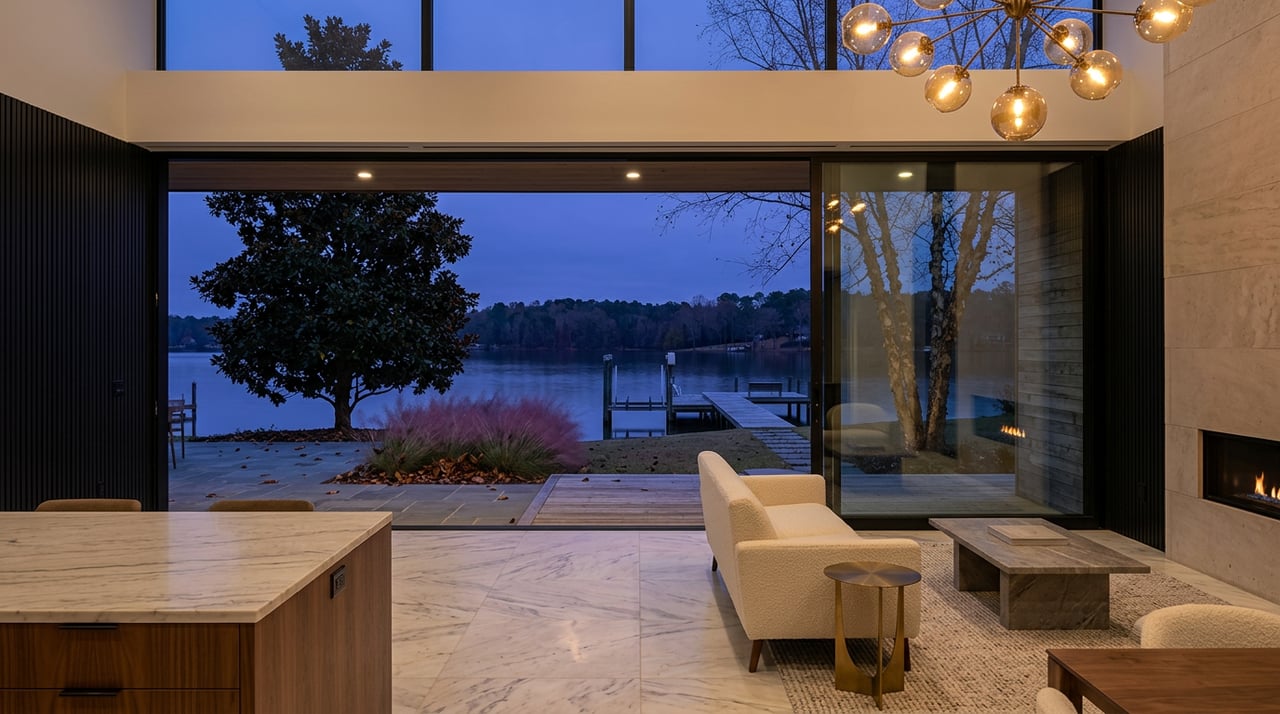
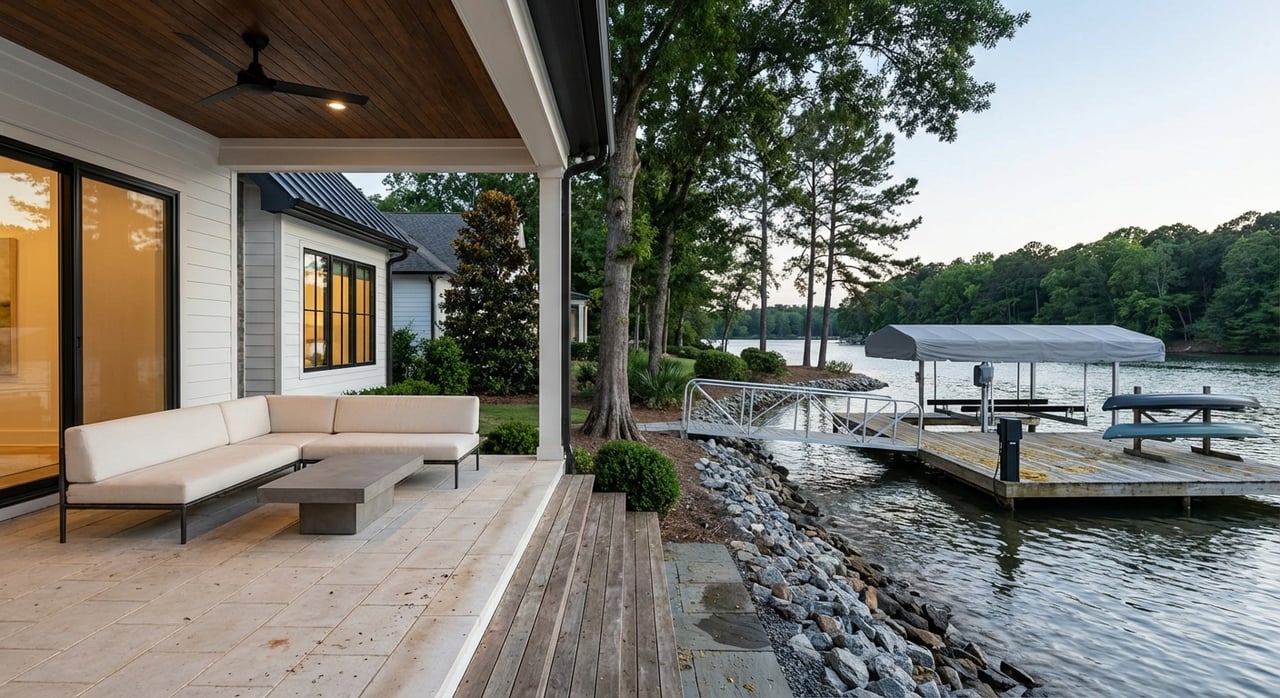
On a typical week, you might launch for a quick evening cruise, paddle a quiet cove at sunrise, or fish off your dock while dinner cooks. Main-channel homes offer big, open views and easy navigation, while cove homes often feel calmer for swimming and paddleboards.
Weekend rhythms change in summer. Boat traffic increases, which can mean more wake at the dock and a livelier soundtrack on the water. On windy days, open water can feel choppy for small boats. If you plan to host often, think ahead about parking, slip access for guests, and quiet hours set by your HOA or community.
Use this to compare lake homes to traditional suburban properties and to organize your due diligence:
If Lake Wylie is calling your name, you deserve a plan that covers the fun parts and the fine print. I can help you verify dock rights, read HOA and deed language, connect with the right contractors, and coordinate cross-border details if your search spans both Carolinas. When you are ready to tour or want a second opinion on a specific lot, talk to Gary Burkart first.
Stay up to date on the latest real estate trends.