Investing in Rentals Near Davidson College
December 18, 2025
December 18, 2025
Thinking about buying a rental near Davidson College? You are not alone. The college anchors steady demand year-round, and the surrounding Charlotte metro adds depth beyond the academic calendar. If you want durable occupancy and flexible tenant options, this pocket of Mecklenburg County deserves a close look. In this guide, you will learn what drives demand, which property types perform, what rules to verify, and how to underwrite returns with fewer surprises. Let’s dive in.
Davidson College draws a reliable stream of renters tied to the academic cycle. You can serve students sharing a house, faculty and staff on annual leases, and short-term visitors during key campus events. That mix can support strong occupancy, especially within walking or biking distance of campus and Main Street amenities.
Davidson also benefits from Charlotte’s broader economy. The town’s location in the metro means professionals who commute to Charlotte often look for rentals in a small-town setting. That adds non-student demand that can smooth your cash flow across seasons.
The academic calendar shapes leasing patterns. Peak move-ins cluster around late summer, and many student-oriented leases track the school year. Summer can soften for student units unless you market to summer programs or short-term stays. Faculty, staff, and professional tenants generally prefer calendar-year leases, which can stabilize income.
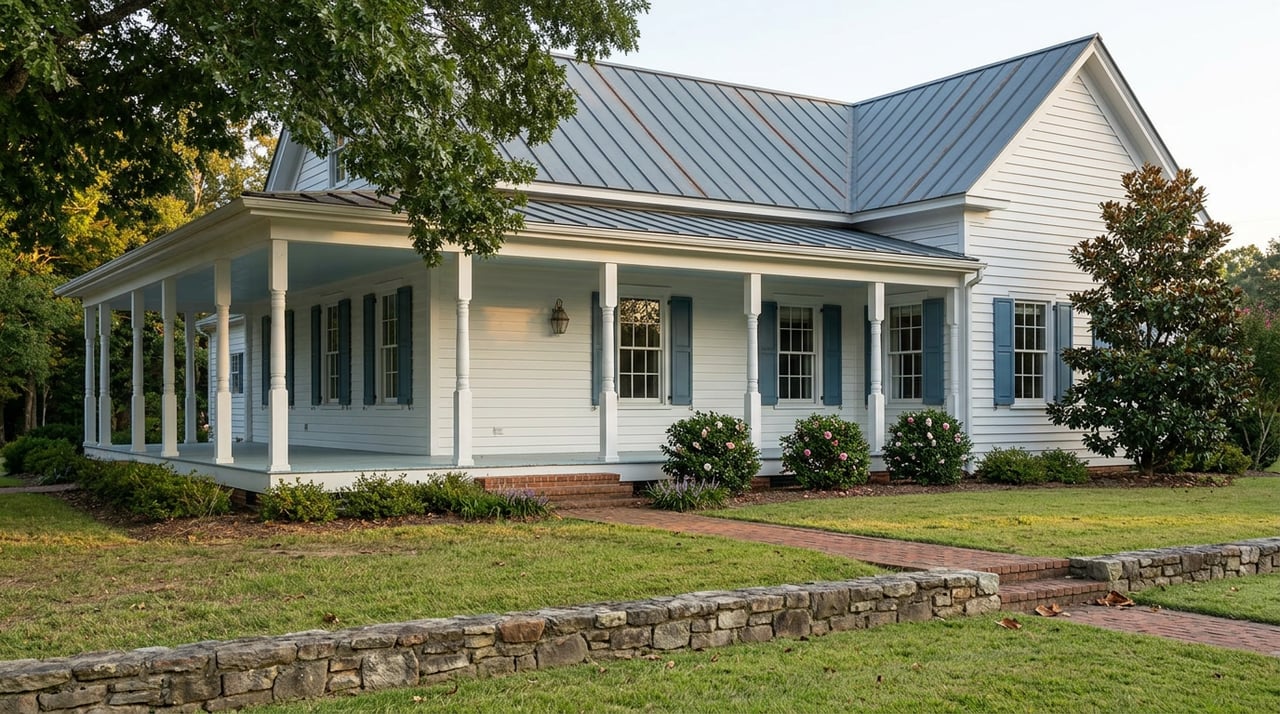
Detached homes close to campus work well for both families and groups of students. Multi-bedroom layouts, safe egress, and functional parking help justify higher rents per bedroom. Condition matters. Clean, well-maintained kitchens and bathrooms, updated HVAC, and compliant safety features improve rentability and reduce turnover headaches.
Small multifamily offers multiple income streams and simpler management than scattered single-family homes. Consider the bedroom mix, parking allocation, and whether you will target students, faculty, or professionals. For underwriting, track gross rent multiplier and price-per-door to compare options.
These homes often appeal to faculty and young professionals who prioritize lower maintenance and may prefer unfurnished, annual leases. Check HOA rules for rental restrictions and minimum lease terms before you buy.
Where allowed, an accessory dwelling unit can create an extra income source. Confirm local permitting and parking requirements, and be sure the lot and structure meet Town of Davidson standards.
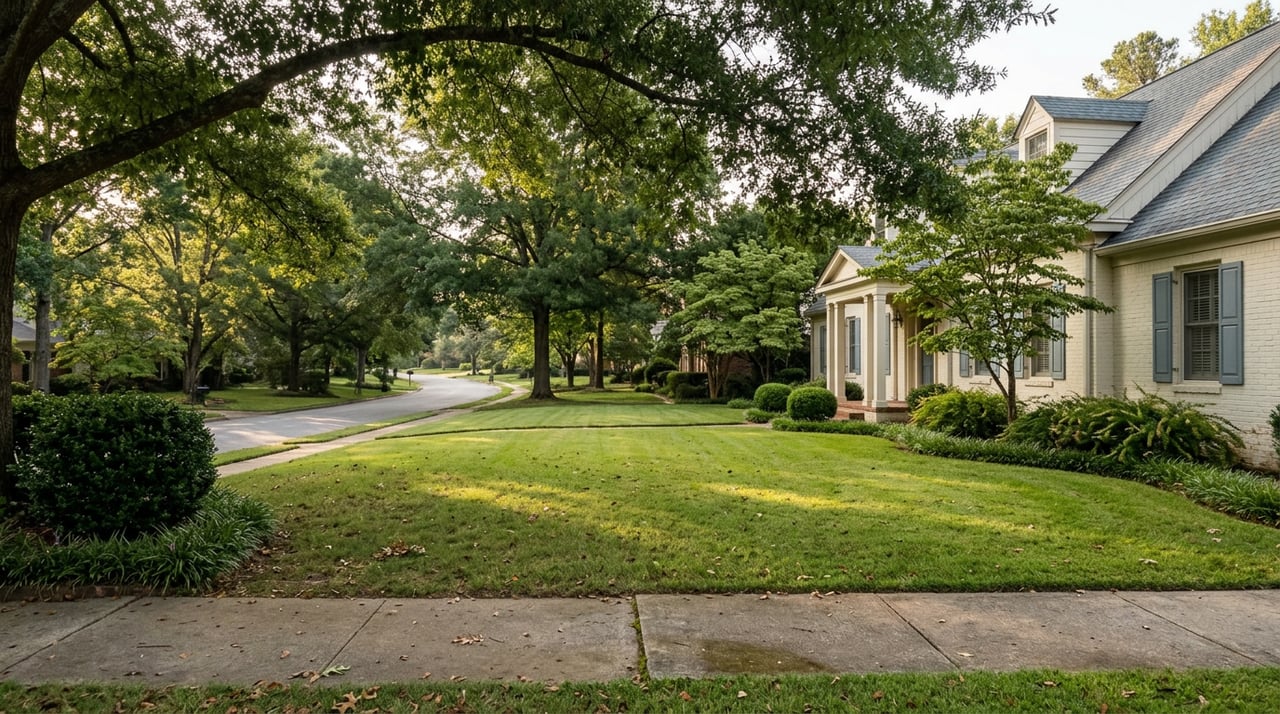
Walkability to campus and Main Street is one of the strongest value drivers. Properties within roughly one to two miles can command premiums if they offer a practical daily routine: short walk or bike to class, coffee, groceries, and dining. The closer you are to the college core, the more important it is to understand local noise rules and neighborhood expectations.
Parking is another key factor. Student households often bring multiple cars, and families value off-street parking. If the street is tight or restricted, confirm driveway capacity and any overnight parking rules. Also review any neighborhood association standards on parking, signage, and property appearance.
Before you purchase, confirm zoning, permitted uses, and any rental-specific rules with the Town of Davidson and Mecklenburg County. You want clarity on use type, minimum lot sizes, setbacks, and parking requirements. This is especially important for duplexes, triplexes, and ADUs.
Short-term rental rules vary across the Charlotte region. If you plan to use short-term or seasonal stays, check whether registration, special permits, occupancy limits, or taxes apply. Also review building, occupancy, and safety codes, including smoke and CO detectors and egress requirements for multi-occupant homes.
Some towns require rental licensing and periodic inspections. If you plan a student-focused property, speak with the local fire marshal to confirm standards for multi-bedroom setups. Finally, request HOA covenants early. Many HOAs set rental caps, minimum lease lengths, or parking restrictions that affect your business plan.
Student-focused rentals usually align to the academic calendar. Leases often start in late summer, and groups like to renew as a unit. Decide whether to lease the whole house to a single group or to lease by the bedroom. Whole-house leases simplify management. Individual leases can improve gross rent potential but require more administrative work.
For non-student tenants, annual leases offer stability and less intensive management. If your property has two units, you might mix strategies. For example, you can lease one unit to a professional household on a calendar-year term and the other to students on an academic schedule. That blend can balance cash flow and reduce vacancy exposure.
Short-term rentals may be attractive during peak campus weekends and summer programs, but only if local rules permit them and you can manage the operational load. Evaluate the effort and fees of short-term management compared to the reliability of longer leases.
Build your comps from multiple sources so your underwriting is realistic. Compare properties within one to two miles of campus. Track bedroom count, furnished versus unfurnished, and lease type. Include both recent leases and active listings. For single-family homes, evaluate capitalization rate and cash-on-cash potential given current pricing. For small multifamily, monitor price-per-door and gross rent multiplier.
A simple spreadsheet with 10 to 20 nearby comps goes a long way. Record rent, bedroom mix, lease term, and occupancy notes. Then pressure-test your conclusions with two or three local property managers who work in Davidson. Their input can help you avoid overestimating rent or underestimating turnover costs.
Investment loans typically require larger down payments and slightly higher interest rates than owner-occupied financing. If you live in one unit of a duplex, you may qualify for more favorable owner-occupied terms. Larger properties or portfolio strategies might fit debt-service-coverage-ratio lending.
Model your numbers with conservative, baseline, and optimistic scenarios. Track net operating income, cap rate, gross rent multiplier, cash-on-cash return, and break-even occupancy. Run a summer-vacancy scenario for student rentals and build in replacement reserves for higher wear-and-tear. Older homes near campus may need capital upgrades like HVAC, roofing, or kitchen and bath updates.
Budget for the full cost stack: property taxes, landlord and liability insurance, utilities if owner-paid, HOA dues, routine maintenance, capital repairs, management fees, vacancy, and marketing. Strong results come from honest expense assumptions.
You can self-manage if you have local presence and time to handle leasing, maintenance, and student dynamics. Many investors prefer professional management for leasing, compliance, and 24/7 response. Short-term rentals require either hands-on involvement or a dedicated short-term manager.
Mitigate risk with consistent screening that complies with law. For students, consider co-signer policies. Set clear lease clauses for occupancy, noise, and maintenance responsibilities. Align your security deposit and pet policies with North Carolina landlord-tenant statutes. Review your insurance for adequate liability limits and consider rent-loss and umbrella coverage.
Protect your reputation through safety and responsiveness. Routine inspections and prompt repairs reduce long-term costs and ease neighbor concerns in close-in neighborhoods. Establish a communication channel for neighbors and, when appropriate, coordinate with the college on contact procedures for nuisance issues.
A well-kept three to five bedroom home within a short walk or bike ride to campus can attract a stable group of student renters. The draw is convenience to classes and Main Street. Focus on safety features, functional common spaces, durable finishes, and adequate parking. Consider whether you will offer furnished or unfurnished, and match your lease term to the academic cycle.
A small multifamily property just outside the most walkable core can give you diversified income. One unit leased to a professional tenant on an annual basis and the other to a student group can balance risk. Confirm zoning, parking, and any local inspection requirements. Underwrite with price-per-door, GRM, and a realistic reserve for turnover and capital items.
You deserve a local advisor who knows the Davidson market and the broader Charlotte dynamics. We bring decades of local residency, an MBA and banking background, and practical property management experience to help you evaluate deals clearly. With our brokerage resources, you also gain integrated access to mortgage, insurance, relocation, and builder connections to simplify each step.
If you are considering a rental near Davidson College, we will help you narrow the right micro-locations, confirm the rules, and build a clean, conservative underwriting model before you write an offer. Ready to take the next step? Talk to Gary Burkart and let’s map your investment plan.
Stay up to date on the latest real estate trends.