Have you fallen for a Dilworth bungalow only to lose in a flurry of offers? You are not alone. Homes here combine historic charm with a walkable lifestyle near Uptown and South End, which keeps demand high. The good news is you can compete with confidence if you understand how North Carolina contracts work and how sellers in Dilworth evaluate offers. In this guide, you will learn the exact levers that move the needle, how to balance risk and reward, and what to do next to be ready when the right home hits the market. Let’s dive in.
Why Dilworth is competitive
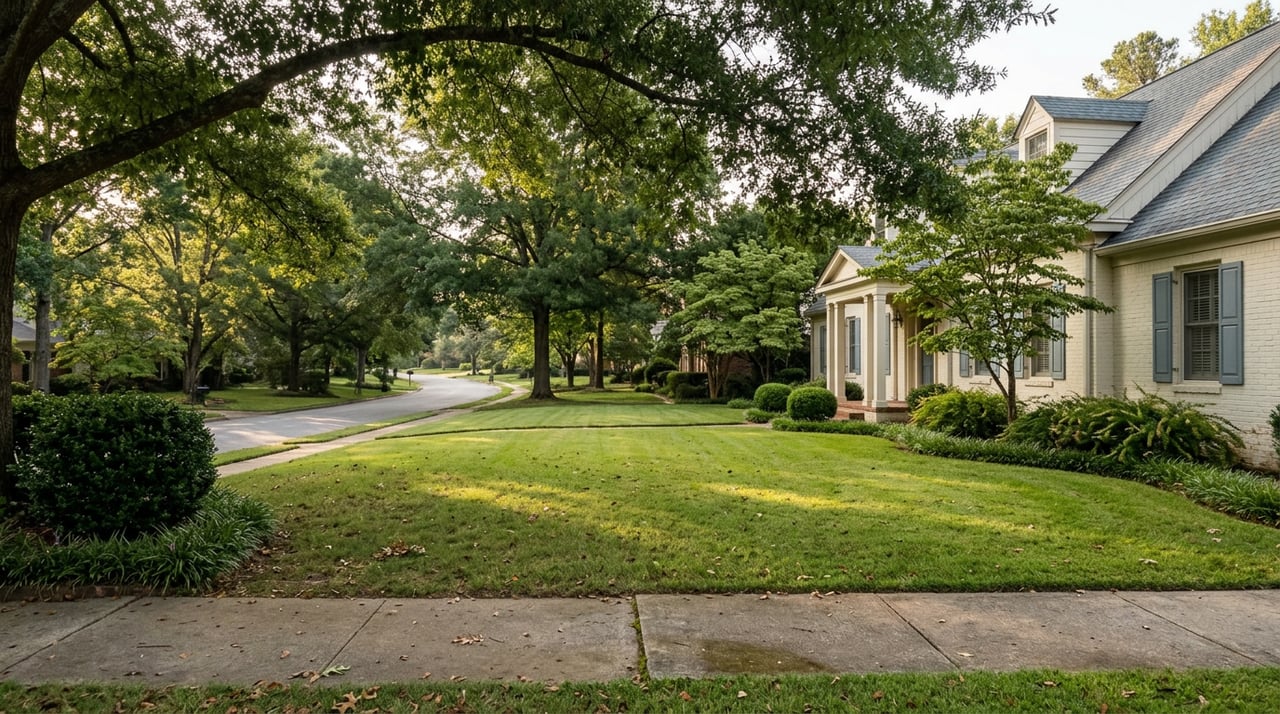
Dilworth sits close to Uptown and borders South End, so you get character homes near major job centers, dining, parks, and transit. That location drives steady interest from professionals, downsizers, and renovators.
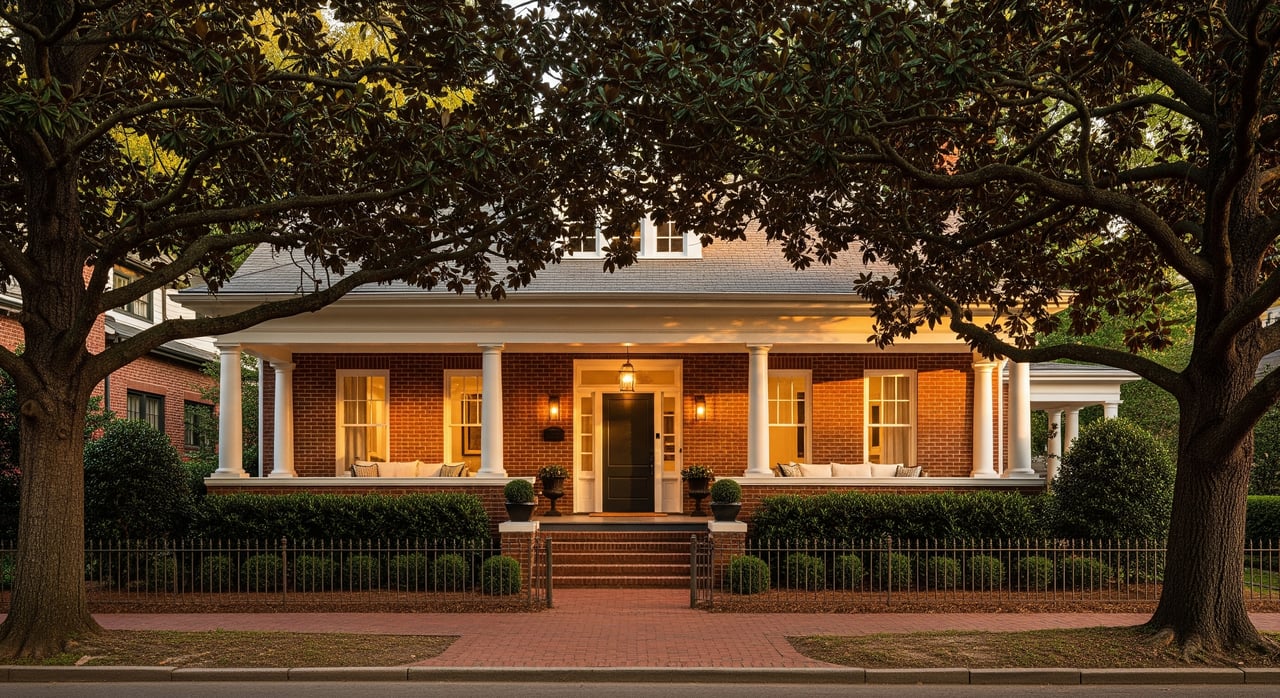
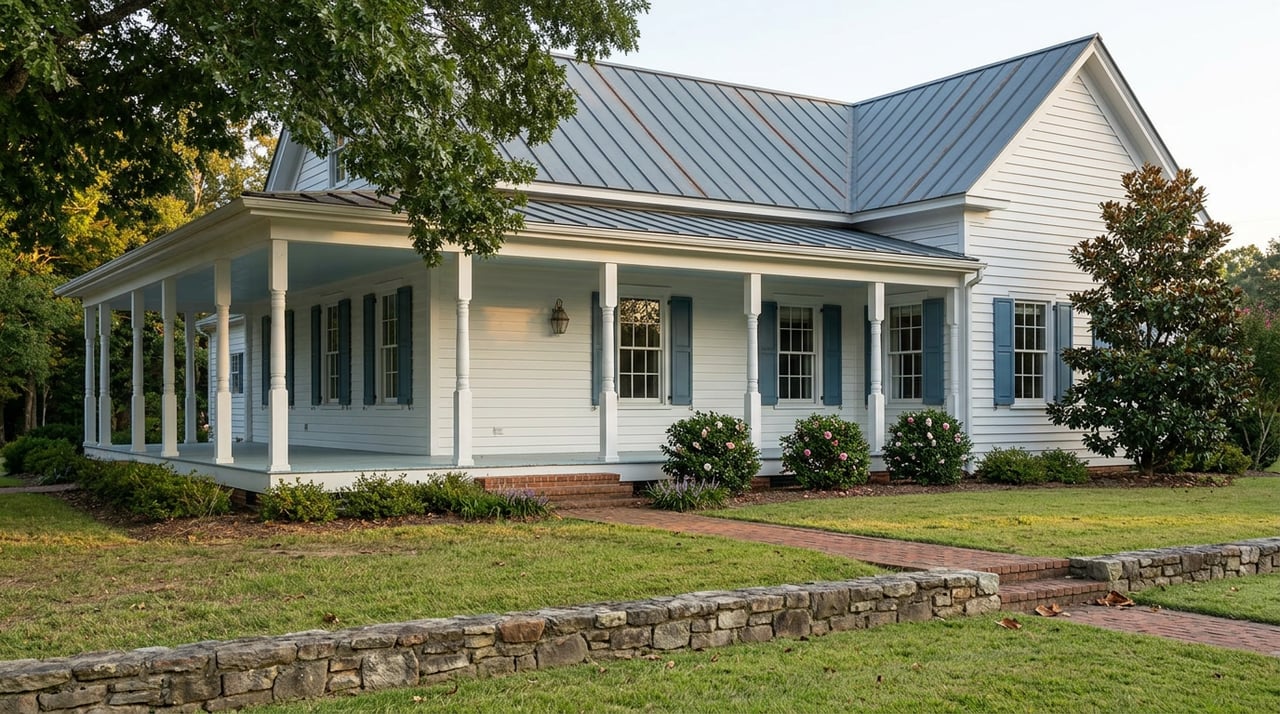
The housing stock is unique. Many properties are older single-family homes with historic details, plus a smaller number of newer infill builds and some condos or townhomes. Because comparable homes can be scarce, a well-presented listing often attracts multiple offers.
Parts of Dilworth fall within a local historic district. Exterior changes may require review by the Historic District Commission. If you plan to renovate or add on, that process can affect timelines and costs, which also shapes how buyers and sellers negotiate.
Know NC contract levers
North Carolina’s offer structure gives you several tools that matter a lot in bidding wars. Understanding them helps you write a strong, clean offer that still protects you.
Due diligence fee and period
The due diligence fee is paid to the seller and is generally non-refundable once paid. The due diligence period is the time you get for inspections and full investigation. You can terminate during this period, but you usually forfeit the fee. A larger due diligence fee or a shorter period can make your offer more attractive, but you take on more risk and have less time to inspect.
Earnest money deposit
Earnest money is separate from the due diligence fee. It shows commitment and is usually held in escrow, subject to the contract. Increasing it can strengthen your offer, but its refundability follows the contract terms, which differ from the due diligence fee.
Appraisal and financing
Cash removes financing and appraisal risk, which sellers like. If you are financing, consider pre-underwriting or a strong lender commitment letter. Some buyers offer appraisal-gap coverage that specifies how much they will pay if the appraisal comes in short. That can win you the house while limiting exposure.
Inspections and as-is language
Some sellers prefer as-is terms or limited repair requests. You can keep leverage by focusing inspections on major systems and structure while avoiding small cosmetic items. Shorter due diligence periods or targeted inspections can signal seriousness without waiving protections blindly.
Buyer playbook to win
Use these steps to build a competitive offer tailored to Dilworth’s pace.
Price and financing strength
- Get pre-underwritten if possible, not just pre-approved.
- Include a clear lender commitment letter and proof of funds for your down payment or cash purchase.
- Be prepared to offer above list on standout homes, based on current comparable sales and days on market.
Due diligence strategy
- Offer a due diligence fee that reflects your commitment and the home’s desirability.
- Keep the due diligence period as short as you can reasonably manage, while still allowing for inspections.
- Line up inspectors in advance to hit tight timelines.
Appraisal-gap options
- Define a dollar amount you will cover if the appraisal comes in low. This can be stronger than a full waiver.
- Discuss with your lender how an appraisal gap affects your cash to close and loan terms.
Escalation or best-and-final
- An escalation clause can lift your price above competing offers up to a capped number. Some sellers prefer highest-and-best without escalations.
- Ask your agent how the listing agent is handling multiple offers, then choose escalation or a clean best-and-final strategy.
Timing and occupancy
- Match the seller’s preferred close date.
- Offer flexibility on possession, such as a short seller leaseback if needed.
Clean documentation
- Submit a complete, easy-to-read package with all signatures and addenda.
- Avoid nickel-and-dime requests. A simpler offer often stands out.
Manage risk before you bid
Winning should not mean buyer’s remorse. Set a risk budget with your agent before you write.
- Know the maximum price and cash you are comfortable bringing if the appraisal is short.
- Price out typical repairs on older homes so you understand possible costs if you shorten due diligence or narrow inspections.
- If you reduce protections, adjust your offer price to reflect that added risk.
- Have backup homes identified, which keeps you from pushing past your limits in a bidding war.
Seller tips for multiple offers
If you are selling in Dilworth, preparation and clear process can raise your net and reduce stress.
- Price with purpose. Accurate pricing can attract multiple offers and avoid sitting on market.
- Consider a pre-inspection or recent survey to reduce buyer uncertainty.
- Set an offer deadline and state whether you will accept escalation clauses or want highest-and-best.
- Require proof of funds and lender letters. Pre-underwritten buyers are less risky than basic pre-approvals.
- Compare offers on all terms, not just price. Larger due diligence fees, flexible closing, or fewer contingencies often beat a higher but conditional offer.
- Keep a signed backup offer in place when possible.
Historic district considerations
If the home sits within a designated historic area, exterior changes may need approval. This can affect your renovation budget and timing.
- Review local historic district guidelines early if you plan to add on, change windows, or alter the façade.
- Build extra time into your due diligence period if you need to consult with the appropriate commission.
- Ask for documentation of past permits, surveys, and prior approvals when available.
Make a plan for Dilworth
A winning offer in Dilworth reflects strong price, clean terms, and smart risk control under North Carolina’s due diligence framework. With advance prep, you can move fast, stay competitive, and still protect your interests. If you want a local advisor who pairs neighborhood insight with contract strategy, I am here to help you map your path and execute when the right home appears. Talk to Gary Burkart and let’s get you ready to compete.
FAQs
How much over asking should I offer to win in Dilworth?
- It depends on current conditions. Review recent comparable sales, days on market, and how often homes sell over list, then set a ceiling you are comfortable with alongside your agent.
What is a North Carolina due diligence fee and why does it matter?
- It is a non-refundable payment to the seller that buys you a due diligence period for inspections and investigations. A larger fee and shorter period can strengthen your offer but increase your risk.
Should I waive inspection or appraisal to compete in Dilworth?
- Consider limited waivers or an appraisal-gap amount rather than full waivers, and set a repair and appraisal risk budget before you bid.
Do sellers in Dilworth accept escalation clauses?
- Some do and some prefer highest-and-best with a deadline. Ask your agent to confirm the listing agent’s approach, then tailor your strategy.
How fast can I close on a Dilworth home and does timing help my offer?
- Closing timelines vary with financing and title work. Matching the seller’s preferred close date, and offering flexibility on possession, can make your offer more attractive.