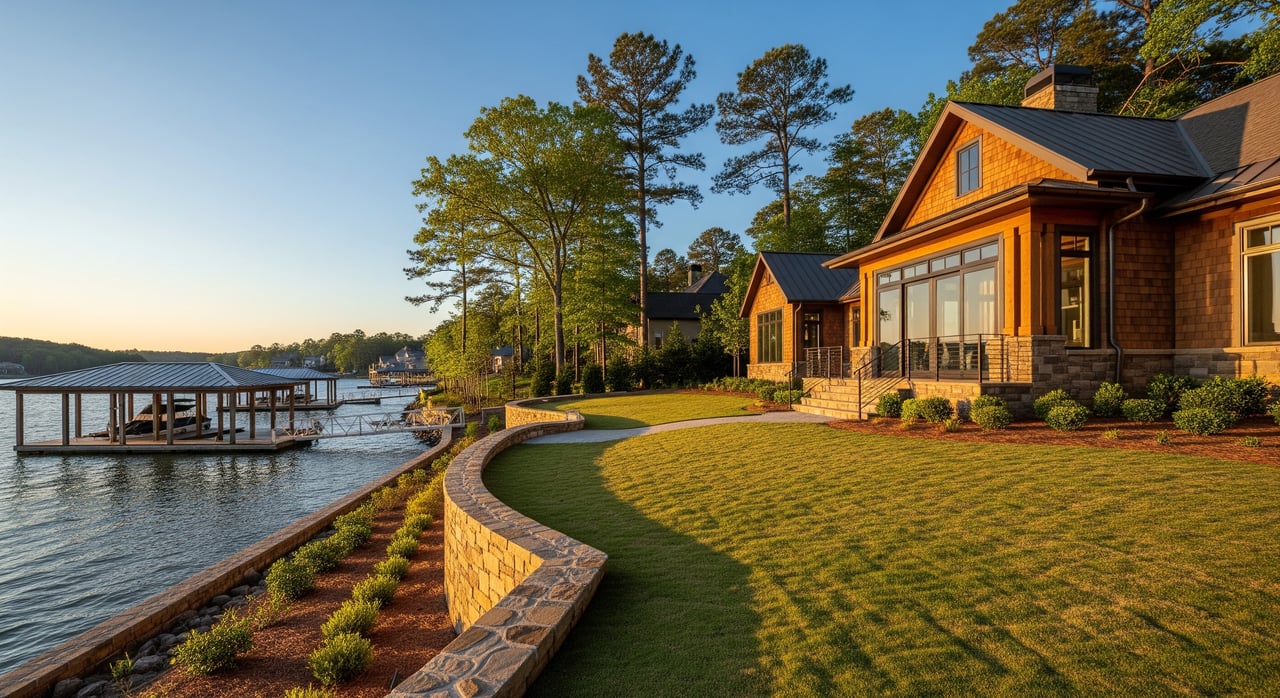
HOA Rules in Lake Wylie: What Buyers Should Know
January 22, 2026
January 22, 2026
Thinking about buying in a Lake Wylie neighborhood on the South Carolina side and wondering how HOA rules work? You’re not alone. Waterfront living can add layers of rules, fees, and approvals that affect your budget and plans. In this guide, you’ll learn how local HOAs are structured, what dues typically cover, how dock and shoreline rules work, and the due diligence steps to take before you write an offer. Let’s dive in.
Many Lake Wylie communities in York County use a planned community or property-owner association model. You might see a master HOA or POA that controls amenities and common assets, along with sub-associations for individual subdivisions or condo clusters. In those cases, you could pay both master dues and sub-association dues.
Condominium and townhouse associations usually handle more exterior maintenance and shared utilities, which can mean a single monthly fee that is higher than a single-family neighborhood with minimal amenities. Smaller single-association neighborhoods can be self-managed, while larger communities often use a professional property management company.
Expect the governing documents to include the Declaration of Covenants, Conditions and Restrictions, bylaws, articles of incorporation, and rules and regulations. Most associations are led by an elected board of directors. Many also operate an architectural review board or design review committee. Waterfront neighborhoods may add a marina or dock committee to manage slips, launches, and shoreline policies.
HOAs typically have the power to levy dues and special assessments, maintain common areas and amenities, adopt and enforce rules, require architectural approvals, and impose fines for violations. They can record liens for unpaid assessments and, in some cases, pursue foreclosure based on state law and the governing documents.
HOA dues fund the maintenance and operations that keep a neighborhood running smoothly. In Lake Wylie communities, that can include landscaping and common-area care, private road upkeep, pool and clubhouse operations, marina and boat slip maintenance, community utilities for shared spaces, master insurance, and management, legal, and accounting services.
Dues vary widely, especially around the lake. Waterfront infrastructure like marinas, docks, bulkheads, and seawalls is expensive to build and maintain. Communities with more complex assets tend to have higher operating budgets. Some neighborhoods add user fees for things like guest slip rentals or amenity reservations to help offset costs.
The best approach is simple: review the specific community’s budget and documents rather than relying on averages. Ask what services are included and how the HOA plans for future repairs.
Healthy associations build reserves for major repairs and replacements. On Lake Wylie, that often includes roads, docks, bulkheads, and seawalls. Ask whether the HOA has a current reserve study and how well funded reserves are today.
If reserves are inadequate, the HOA may use a special assessment to pay for capital projects. Waterfront failures can be costly, so it’s important to ask about any recent or pending assessments and to understand upcoming projects on the association’s timeline.
To evaluate the association’s financial health, request the current budget, the most recent audited or reviewed financial statements, the reserve study or a statement about reserves, the history of dues increases, and the association’s delinquency rate. Higher delinquency can signal stress that may lead to future dues increases or assessments.
Most Lake Wylie HOAs require you to obtain architectural approvals before you make exterior changes. That can include new paint colors, additions, decks, fences, sheds, driveways, or roof replacements. Timelines and submittal requirements vary by community.
Common restrictions can address roofing materials, paint color palettes, setback and enclosure standards, exterior lighting, landscaping and tree removal, the visibility of boats and RVs, and the placement of satellite dishes or solar panels. Associations usually publish a fine schedule and a process for notices and compliance. Some include mediation or arbitration options for disputes.
Dock ownership and access differ by community. Some properties include deeded docks. Others use HOA-owned or managed slips, which may be assigned or rented, sometimes with a waitlist. If a slip matters to you, confirm your rights in writing. Deeded slips should appear in the property’s title documents. Assigned or rented slips should have clear, written rules.
Lake Wylie is a reservoir managed by Duke Energy. Dock construction, replacements, and certain shoreline improvements may require approvals from Duke Energy in addition to HOA or ARB approval. York County permitting can also apply, and some projects may need approvals from state-level environmental or natural resources agencies. Plan for all three layers when you consider dock or shoreline work.
Maintenance responsibilities for docks, bulkheads, and shoreline vegetation may fall to the homeowner, the HOA, or both. Review the covenants to understand who maintains what and how costs are shared.
Many waterfront parcels fall within FEMA flood hazard zones. Lenders may require flood insurance, and it can be a smart idea even if not required. Always verify the specific parcel’s flood zone. If you are considering improvements, remember that wetland and shoreline protections may limit certain activities to protect water quality. Check county planning and state environmental agencies for guidance before you commit to a project.
Lake Wylie communities often offer amenities that shape both your lifestyle and your operating costs. You might see marinas and shared docks, community boat ramps, private beaches or lakeside parks, pools and clubhouses, fitness centers, tennis or pickleball courts, walking trails, and security gates.
Marina and dock systems are the most capital intensive. Piling replacement, dredging, and bulkhead repairs can be significant line items in a budget. Staffing for lifeguards, marina management, and grounds crews also adds to operating costs. Some associations use additional user fees or reservation fees to balance expenses.
Pay attention to lifestyle restrictions too. Guest and parking rules can limit overnight parking or set vehicle caps. Rental rules often limit short-term rentals with minimum lease terms, caps, or registration requirements. Pet rules may include size or number limits and leash and clean-up requirements. Noise and nuisance rules such as quiet hours and dock party policies are common on the water.
Before you tour homes or write an offer, use this checklist tailored to Lake Wylie’s York County communities:
Lake Wylie spans two states, and rules and processes can vary by community and asset. You benefit from an advisor who understands HOA structures, cross-border nuances, and lake-specific approvals. A local, dual-licensed broker can help you collect the right documents, interpret where to probe deeper, and coordinate with association managers and closing attorneys when questions arise.
I help you prioritize the items that matter most for your situation, from confirming slip rights to reviewing reserve health and timelines for approvals. If you are relocating, I also connect you with trusted mortgage, insurance, and relocation resources through our brokerage so your move is coordinated start to finish.
If you are considering a Lake Wylie home on the South Carolina side, let’s talk through your goals and create a due diligence plan that protects your time and your budget. Connect with me at Gary Burkart and let’s get started.
Stay up to date on the latest real estate trends.