Buying Near Downtown Davidson: Key Considerations
May 28, 2026
May 28, 2026
Wondering if buying near downtown Davidson is the right move for you? It can be a great fit if you want walkability, charm, and quick access to Main Street, but it also comes with tradeoffs that are easy to miss if you only focus on location. If you are thinking about living near the center of town, this guide will help you understand what daily life, property rules, and long-term resale may really look like. Let’s dive in.
Downtown Davidson is not built like a typical suburban neighborhood. The Town of Davidson’s planning approach emphasizes village-centered growth, neighborhood connections, public spaces, walkability, and human-scale design. That means homes near the core often sit in a setting shaped as much by town planning goals as by simple distance to restaurants or shops.
The Village Center is the historic downtown core and serves as Davidson’s commercial, civic, cultural, and transportation hub. The town’s ordinance says development in this area should complement the traditional built environment and support multi-story, multi-use, and transit-friendly patterns. For you as a buyer, that creates a more compact and active environment than you may find in outer neighborhoods.
Davidson also uses planning areas rather than conventional zoning language in the way many suburbs do. Those planning areas have the same legal authority as zoning districts, and a map amendment is the town’s rezoning process. In practical terms, the rules for one parcel can differ meaningfully from another, even within a small area near downtown.
If your goal is to park the car more often and enjoy a more connected daily routine, downtown Davidson stands out. The historic district guidelines describe wide brick-paved sidewalks as the primary pedestrian circulation through downtown. The town’s greenway network also connects people and places across Davidson, including the Randall R. Kincaid Trail, which the town lists at 2.8 miles long.
That kind of connectivity can change how you use the neighborhood day to day. Instead of driving for every errand or outing, you may be able to walk to dining, events, campus areas, or community spaces. For many buyers, that convenience is a major part of the appeal.
Living near downtown Davidson usually means being closer to the energy of the town. Davidson has two social districts, and the town allows to-go alcohol in designated areas from 11:00 a.m. to 10:00 p.m. seven days a week. The town also lists recurring events such as First Fridays on Main St., Concerts on the Green, Concerts @ the Circles, Town Day, and Christmas in Davidson.
Davidson College adds to that activity level. The college describes its campus as always active with events and lectures, and its parking rules include temporary permits for many visitors and designated spaces for campus use. If you like being near community activity, that can be a plus. If you prefer a quieter street scene, it is worth weighing carefully.
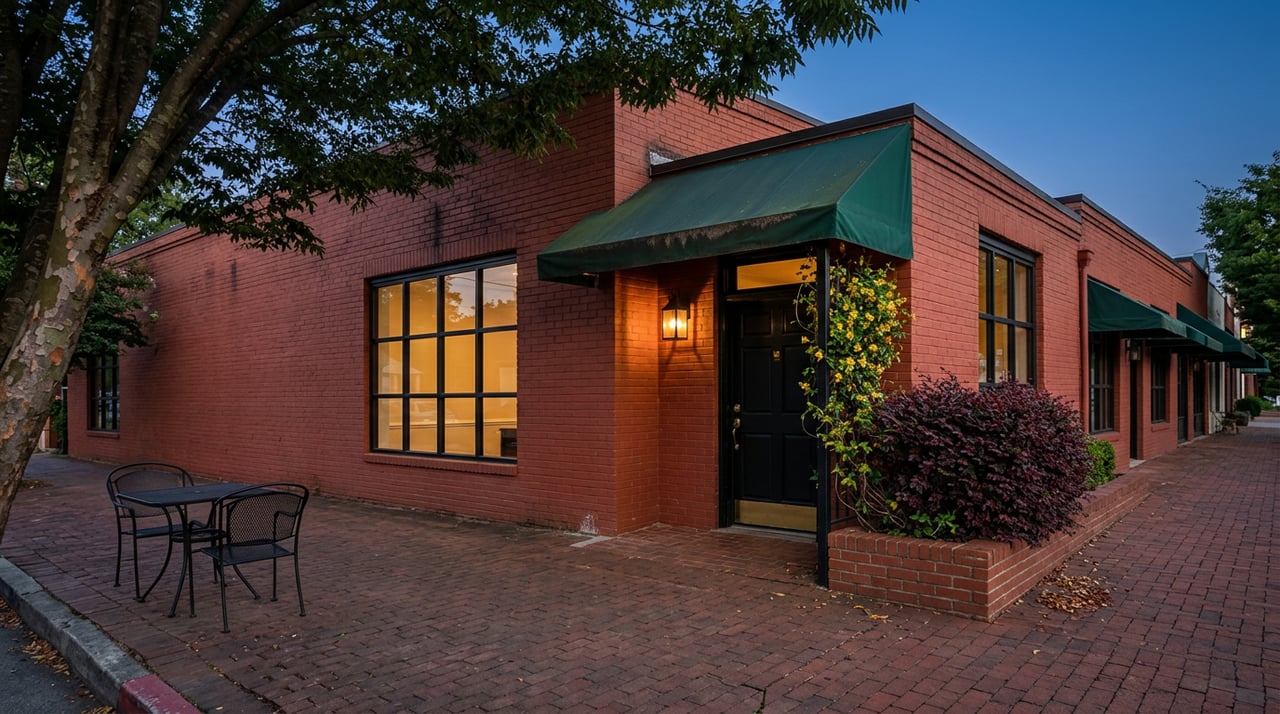
Parking is one of the most practical issues to think through before you buy near downtown. The town says downtown parking turnover is actively managed with designated two-hour spaces, and it launched the ParkDavidson app on March 7, 2024. The town also notes that drivers may need to park a block away and walk, with free all-day weekday parking available at the Davidson Presbyterian Church lot.
That setup is very different from what many buyers expect in a conventional subdivision. Depending on the property, your day-to-day parking experience may involve more planning, more walking, and less flexibility for guests. If off-street parking matters to you, confirm exactly how the property handles it before you make an offer.
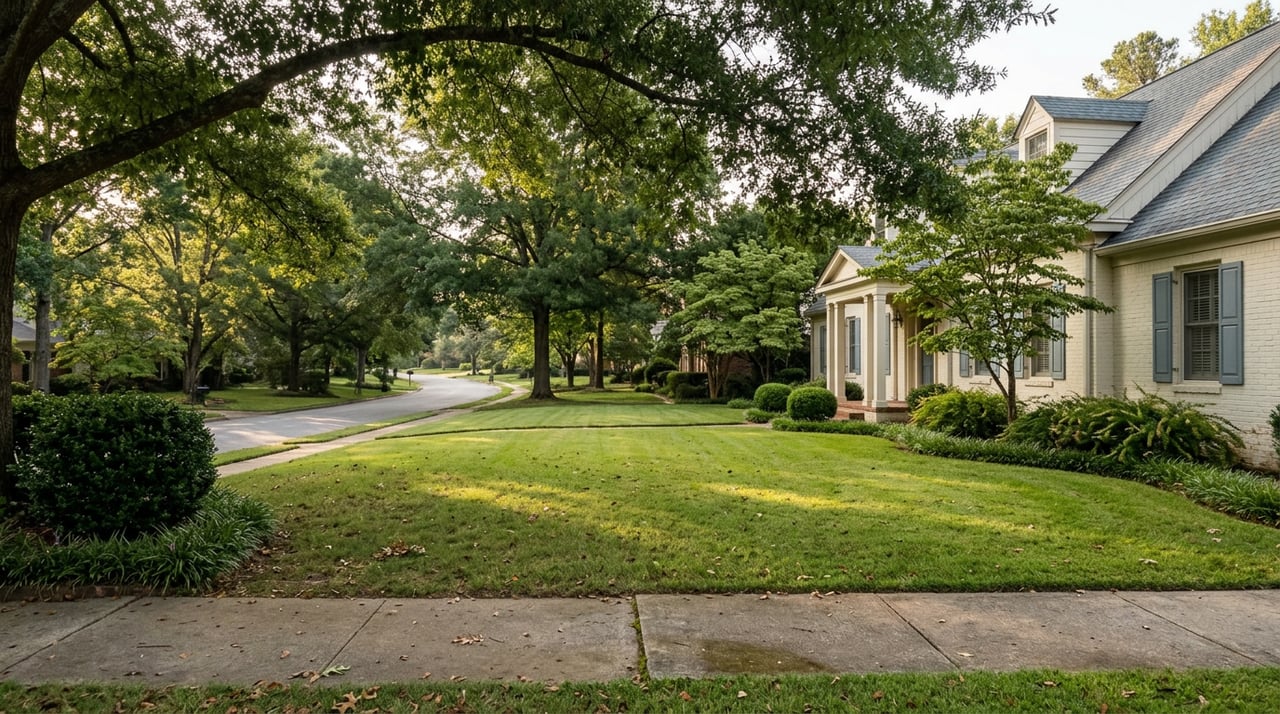
Near the historic core, lot and building rules can be tighter than buyers expect. The Village Infill overlay is intended to preserve the character of Davidson’s older residential areas, and the town says new development there should resemble the surrounding neighborhood, maintain a human scale, and preserve significant trees. That can shape what is possible on a lot even after you own the home.
The current ordinance ties allowed floor area in the Village Infill overlay to lot size. Larger exterior additions or new construction can trigger those limits. In some master plans, the town also requires a portion of lots to remain relatively narrow, which helps preserve the compact street pattern found near the core.
If you are comparing homes near downtown to homes farther out, this is a big difference. You may be trading a larger yard or future expansion flexibility for proximity, walkability, and established neighborhood form.
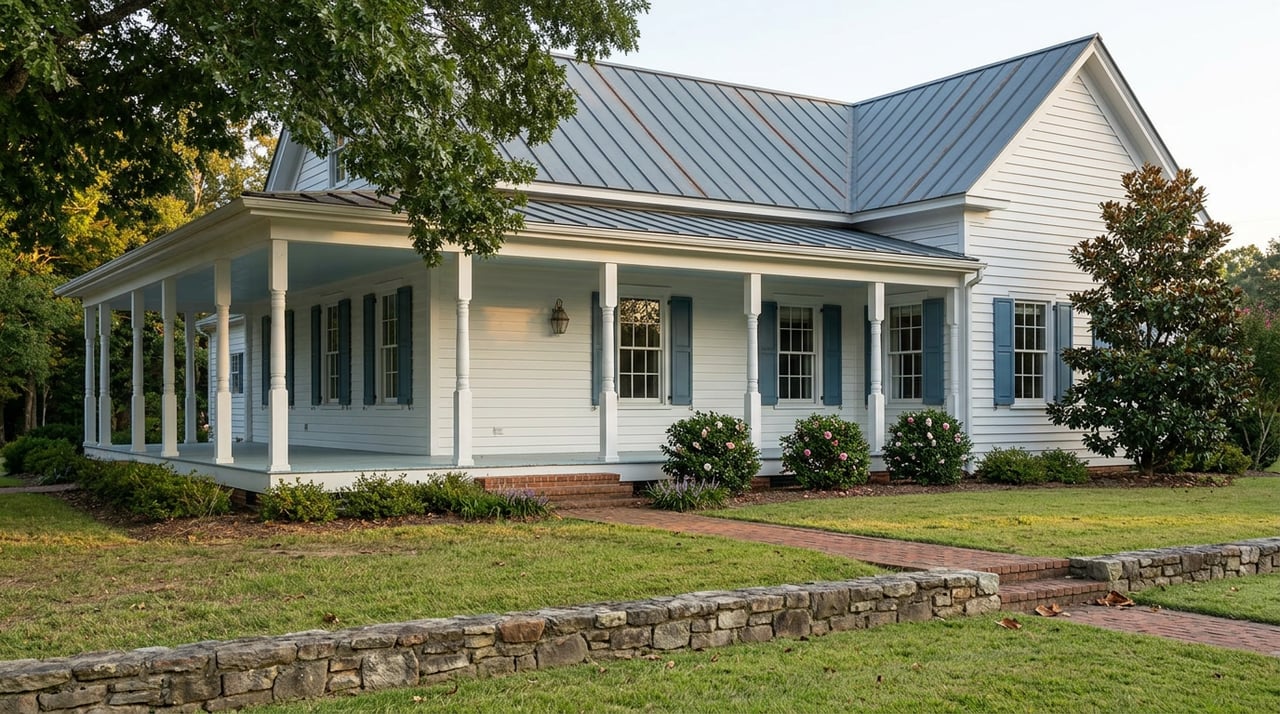
If you plan to renovate, expand, or make visible exterior updates, do extra homework. The local historic district includes two to three blocks of downtown, parts of the historic college campus, and extends to North Main Street. The town says the district is designed to protect and enhance the area’s existing character through review of many exterior changes.
Properties in the local historic district often need a Certificate of Appropriateness for exterior changes. The town is also actively updating its design standards. That means projects that may seem routine in another neighborhood could be subject to review here.
This does not make buying near downtown a bad idea. It just means you should go in with clear expectations. If you want freedom to reshape the exterior without much oversight, a home closer to the center may not fit your priorities.
Another detail buyers often overlook is that parking requirements can vary by planning area. The ordinance generally requires permanent off-street parking, but some existing buildings and infill homes in the Village Center, Village Edge, and Village Commerce areas may meet parking requirements with on-street parking. For detached, attached, and townhouse residential uses, the town’s parking table lists 1 to 2 spaces per unit.
This is why broad assumptions do not work well near downtown Davidson. Two nearby properties may look similar online, but their planning-area rules and parking setup can create very different ownership experiences. A close review of the parcel matters.
Downtown Davidson has a distinct appeal that can support long-term value for buyers who appreciate its character. The town’s historic-preservation materials say the local historic district helps protect owners’ investments, can help keep an area attractive to investors and homebuyers, and that insensitive development can undermine property values. That supports the idea that preservation and design consistency matter in this part of town.
Homes near Main Street or close to the college may appeal strongly to buyers who value walkability, a preserved streetscape, and a more connected town-center lifestyle. Those features can help a property stand out. In my experience, buyers are often drawn to the sense of place that comes with a well-defined downtown setting.
At the same time, the buyer pool may be narrower than in neighborhoods where homes offer larger lots, easier parking, and fewer exterior constraints. That does not hurt resale automatically, but it does mean the home is likely to speak most clearly to buyers who want this specific lifestyle.
Buying near downtown Davidson often makes the most sense if you value convenience, character, and being able to enjoy the town on foot. You may be a strong fit for this area if you like the idea of being close to Main Street activity, community events, campus energy, and a compact street pattern.
It may be a less natural fit if your priorities lean toward abundant parking, broad renovation freedom, or a larger yard. Neither set of priorities is better. The key is making sure the location matches the way you want to live, both now and over the next several years.
Before you move forward on a home near downtown Davidson, take time to verify the details that shape ownership.
A careful review upfront can help you avoid surprises after closing. This is one of those locations where local knowledge can make a real difference in choosing the right home and understanding the tradeoffs.
If you are weighing homes near downtown Davidson, I can help you look beyond the listing photos and evaluate the planning area, parking setup, historic-review implications, and overall fit for your lifestyle. When you want local guidance grounded in the details, start with Gary Burkart.
Stay up to date on the latest real estate trends.