Thinking about adding a dock or buying a home with one on Lake Norman of Catawba? The rules and approvals can feel confusing if you do not know where to start. You want safe access to the water, a smooth process, and assurance that your investment adds value. In this guide, you will learn who regulates docks on Lake Norman, the step-by-step permit path in Catawba County, realistic costs and timelines, and how a dock can affect resale. Let’s dive in.
Who regulates Lake Norman docks
Several agencies and stakeholders are involved, and most projects need multiple approvals.
- Duke Energy. Duke owns and operates the lake and sets the Shoreline Management Program rules that govern docks, boathouses, and shoreline work within the project boundary. Duke authorization is typically required before any dock or shoreline construction.
- Catawba County. Local zoning, building permits, inspections, and possible floodplain standards apply in the county’s portion of Lake Norman.
- State and federal. The North Carolina Department of Environmental Quality and the U.S. Army Corps of Engineers may review projects that affect wetlands, involve dredging, or place structures in jurisdictional waters.
- HOAs and private covenants. Community rules or deed restrictions can be stricter than public rules and may limit size, design, or placement.
- Easements and neighbors. Recorded easements, utility corridors, and riparian rights in your deed can affect where a dock can go and how large it can be.
Permit path in Catawba County
Plan your project in this order to avoid delays and rework.
Confirm rights and constraints
- Verify that your deed includes riparian rights or deeded lake access.
- Review recorded easements, covenants, and any HOA rules that limit dock types or placement.
- Note the lake’s normal pool or high-water elevation that may be used in setback calculations.
Get Duke Energy authorization
Duke reviews the dock footprint, distance from neighbors, covered or enclosed elements, and navigation safety under the Shoreline Management Program. Expect to provide a survey or site plan, dimensioned drawings, photos, and contractor details. The outcome is written authorization that can include conditions, such as follow-up inspections.
Secure county permits and inspections
Catawba County reviews building and zoning compliance, and may look at septic, erosion control, and floodplain factors. Submittals often include a stamped site plan or survey and construction drawings. Larger fixed piers or boathouses may require engineered details. County inspections are typically required.
Address state or federal permits if needed
If your project places structures or fill in waters or wetlands, involves dredging, or changes the shoreline footprint, the U.S. Army Corps of Engineers and NCDEQ may need to review it. Many small docks can qualify for general or nationwide permits, but project specifics determine what is required.
Build and close out
Construct the dock per approved plans. Complete county inspections. Duke may request photos or a final inspection to confirm the installation matches its authorization.
Costs and timelines
Budget for more than just the permit fees. Most projects include planning and professional services.
Permit fees and services
- Duke Energy authorization: typically an application or administrative fee, which varies by lake and structure type.
- County permits: a building permit fee, plus inspection fees as applicable.
- State and federal: some reviews have processing fees; others, such as certain nationwide permits, may not carry a direct fee.
- Professional services: budget for a survey and, if needed, engineered plans or a permitting consultant. Surveys often range from about $500 to $2,500 or more depending on complexity, and engineering or permit support can range from about $500 to $5,000 or more.
- Construction: costs vary by size and materials. A simple floating dock can start in the low thousands. Fixed piers, multi-slip docks, or boathouses often range from tens of thousands to $50,000 to $150,000 or more based on scope and finishes. Obtain local bids.
Processing time expectations
- Duke authorization: a few weeks to several months depending on completeness and workload.
- County permits: typically weeks to a few months.
- State or federal permits: if triggered, plan on several months, and longer if significant environmental review is needed.
- Construction scheduling: contractors around Lake Norman are busiest in spring and summer, so plan lead time for crews and materials.
Ongoing costs and risks
- Maintenance: plan for periodic repairs to flotation, decking, and hardware, plus eventual replacement.
- Insurance: confirm your homeowner policy covers dock and boat liability or add endorsements as required by your insurer or HOA.
- Taxes: significant dock or boathouse improvements can affect assessed value. Check with the county tax office.
- Compliance: permits often include conditions, including possible removal or modification if the structure is damaged or out of compliance.
Value and resale impact
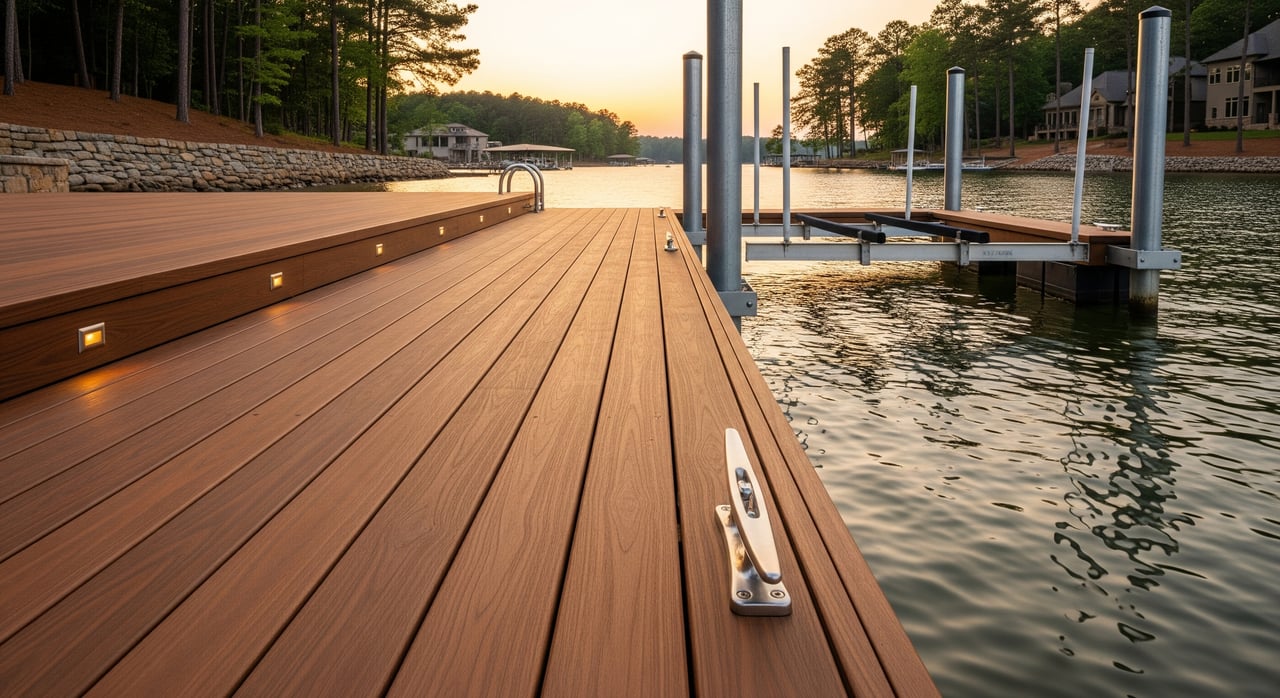
A well-permitted, safe dock is a sought-after amenity on Lake Norman and can improve marketability. Buyers value convenient, private water access and usable shoreline living. The amount of value added varies by location, deeded rights, dock size and condition, boathouse features, community rules, and current demand. To quantify the uplift for your home, a local appraisal and market analysis are helpful.
Poorly permitted or unsafe docks can hurt value, lead to enforcement, or delay closings. That is why documentation and condition matter.
Buyer due diligence checklist
- Confirm the deed includes riparian rights and any shared access agreements.
- Obtain copies of Duke’s authorization, county permits, and any state or federal correspondence.
- Ask whether the dock is grandfathered and if that status transfers on sale.
- Hire a marine contractor to inspect condition and estimate repairs or upgrades.
- Review easements, HOA rules, and any recorded agreements that affect use.
- Request maintenance records, insurance information, and any known claims or disputes.
- Check if the dock appears on the tax rolls and whether any assessments apply.
Seller tips before listing
- If the dock lacks proper permits, consider pursuing retroactive authorization or be prepared to disclose. Missing documentation can delay closing.
- If upgrading before sale, confirm the timeline and whether improvements will likely increase price in your segment.
- Provide buyers with complete documentation, recent inspections, and contractor contacts to build trust.
Mistakes to avoid
- Starting construction without Duke authorization and county permits.
- Assuming HOA approval replaces Duke or county reviews.
- Skipping a survey, which can lead to setbacks or boundary conflicts.
- Underestimating timelines when state or federal permits are triggered.
- Overbuilding features that conflict with current shoreline rules.
Your next steps on Lake Norman
Use this simple plan to move forward with confidence.
- Gather documents: deed, plat, existing surveys, any prior Duke and county approvals, HOA rules, and maintenance records.
- Verify with agencies: contact Duke Energy Shoreline Management and Catawba County Planning and Inspections to confirm status and any open items.
- Order a current survey that shows the shoreline and normal pool line.
- Consult a Lake Norman marine contractor for design, permits, and cost estimates; ask about experience in Catawba County.
- If you are buying or selling, request a title search for easements and shared access agreements, and review insurance coverage.
Work with a local advisor
Whether you are adding a new dock or evaluating an existing one during a purchase, the right plan protects your time, budget, and resale. We help you coordinate the steps, connect with proven local pros, and understand how a dock affects value in Lake Norman of Catawba. If you want a clear path from idea to close, talk to Gary Burkart and let us guide you before and beyond the first transaction.
FAQs
Do I need Duke Energy approval for a new dock on Lake Norman of Catawba?
- Yes. Duke Energy’s Shoreline Management Program typically requires written authorization before any dock or shoreline work within the project boundary.
How long do Lake Norman dock permits take in Catawba County?
- Expect several weeks to a few months for Duke and county approvals, and plan for additional months if state or federal permits are required.
What are typical Lake Norman dock costs, including permits?
- Budget for application fees, a survey, possible engineering, and construction. Surveys often range from about $500 to $2,500+, engineering or permit support from about $500 to $5,000+, and construction from the low thousands to $50,000–$150,000+ depending on scope.
Can I keep an existing dock after buying a home in Lake Norman of Catawba?
- Many approvals are tied to the property, but terms can vary. Obtain all documents and confirm with Duke and the county whether authorization transfers and if any re-application is needed.
Who besides Duke reviews dock projects in Catawba County?
- Catawba County Planning and Inspections reviews local permits and codes. NCDEQ and the U.S. Army Corps of Engineers may be involved if wetlands, dredging, or in-water impacts are part of the project. HOAs may also have rules.
What if a dock on Lake Norman was built without proper permits?
- Noncompliant structures can face stop-work orders, fines, or removal. Discuss retroactive authorization options, and be prepared to disclose issues during a sale.