Front-Porch Living And Community In Dilworth
May 21, 2026
May 21, 2026
If you have ever wondered why Dilworth feels different the moment you turn onto its streets, the answer is not just location. It is the way the neighborhood was designed to bring people outdoors, slow things down, and make everyday interaction feel natural. If you are considering a move to Dilworth or simply want to understand its appeal, this guide will show you how front porches, trees, walkability, and local traditions all shape community life here. Let’s dive in.
Dilworth was founded in the 1890s as Charlotte’s first suburb and was originally connected to downtown by the city’s first electric streetcar. That early layout still matters today because it created a neighborhood built around people moving through shared streets and sidewalks, not just cars moving from garage to garage.
The City of Charlotte says Dilworth was listed in the National Register of Historic Places in 1987. The Dilworth Community Association also notes that the local historic district was designated in 1983 and later expanded in 1992. Those milestones help explain why so much of the neighborhood’s original look and feel has been preserved.
The National Park Service describes Dilworth as an Olmsted-designed suburban community with a curving grand drive and branching side streets. In practical terms, that means the neighborhood still has a pattern that encourages slower movement, visual interest, and a stronger connection between homes and the public spaces around them.
In many newer neighborhoods, homes are set farther back and streets are designed mainly for traffic flow. In Dilworth, the original streetcar-suburb pattern creates a different experience. Streets, sidewalks, and front-facing homes work together in a way that makes casual neighbor interaction more likely.
That design does not guarantee community, of course. But it creates the physical conditions for it. When homes relate closely to the street and people regularly walk, bike, or sit outside, the neighborhood feels more connected.
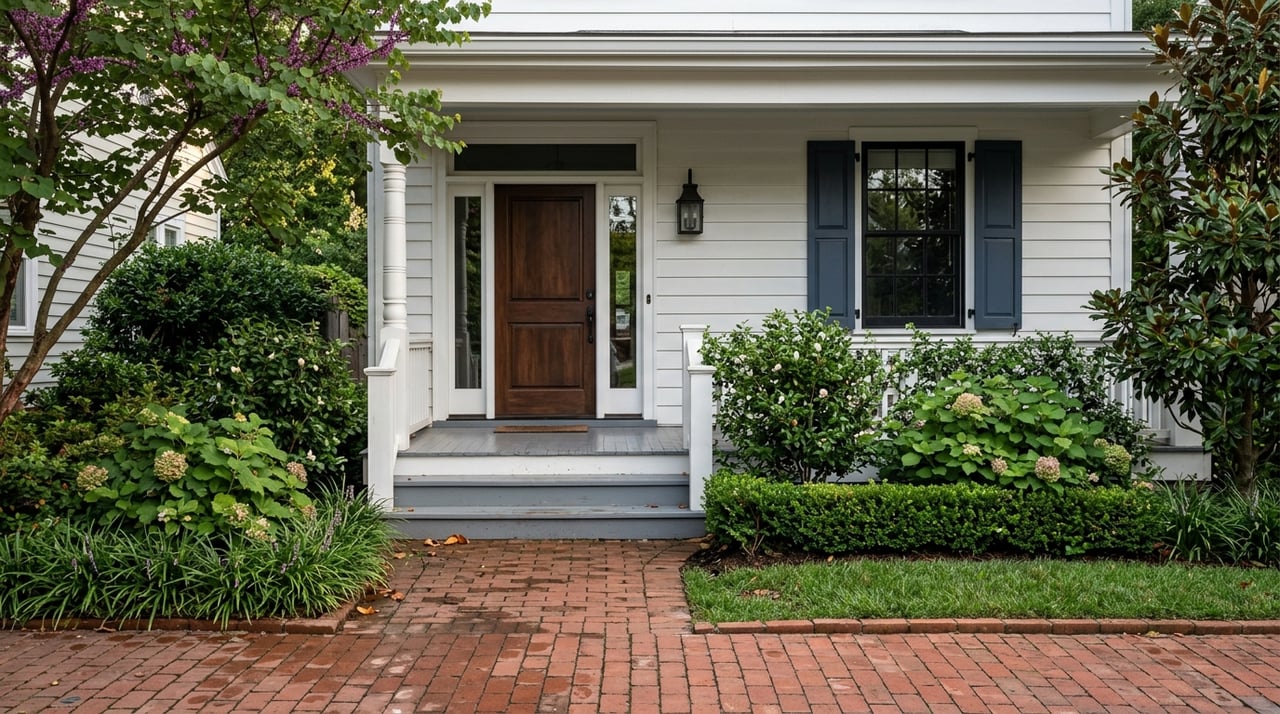
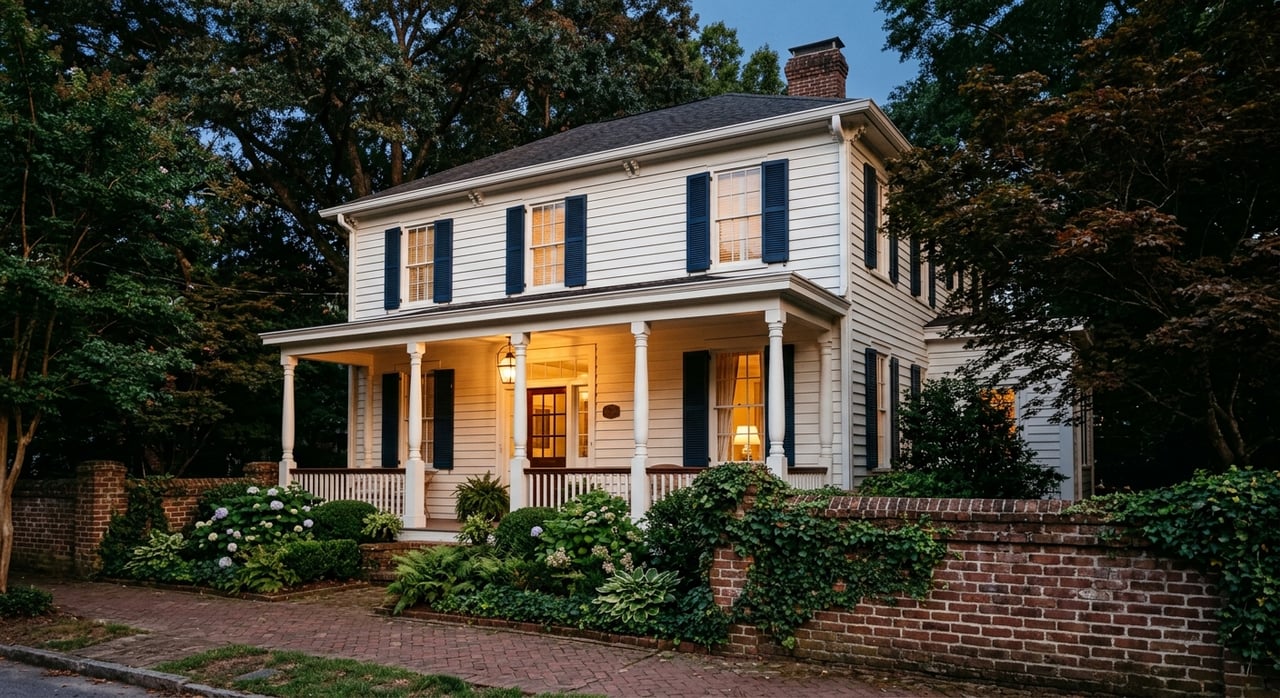
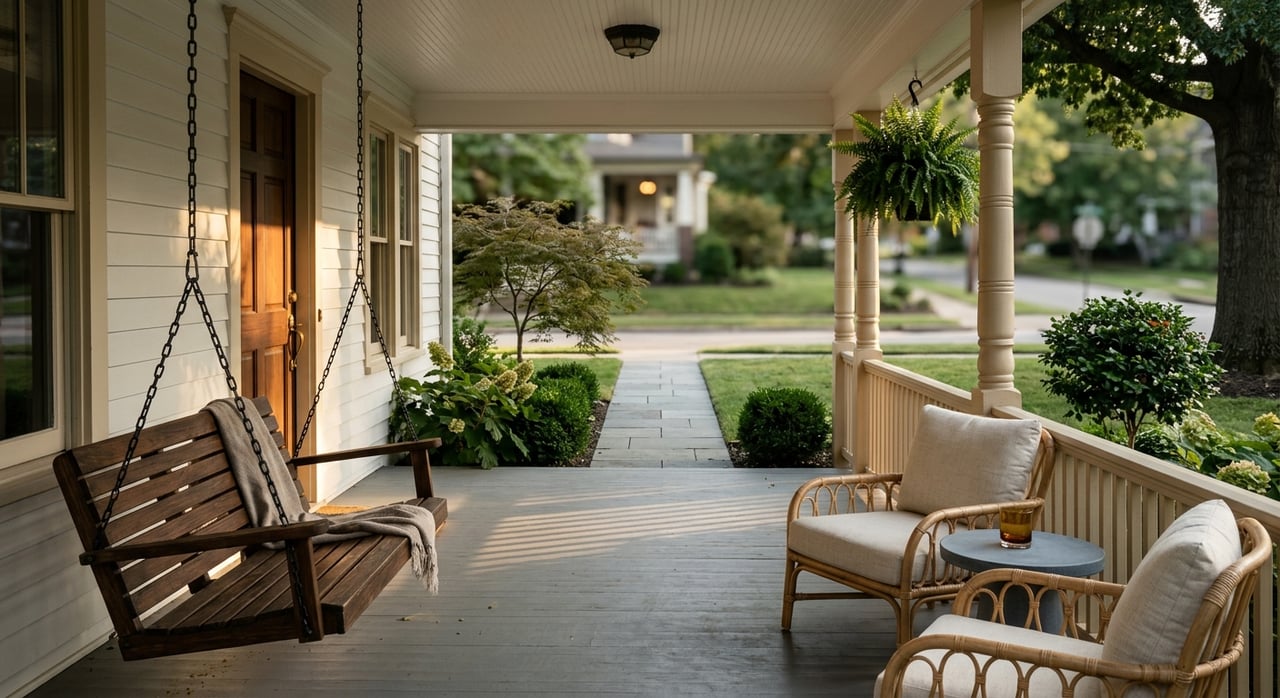
One of the clearest signs of Dilworth’s character is the front porch. According to the city’s historic inventory, lots in Dilworth are long and narrow, houses sit close to the street, and side streets are spaced closely together. The same inventory also notes bungalow-era features such as engaged porches supported by posts and piers.
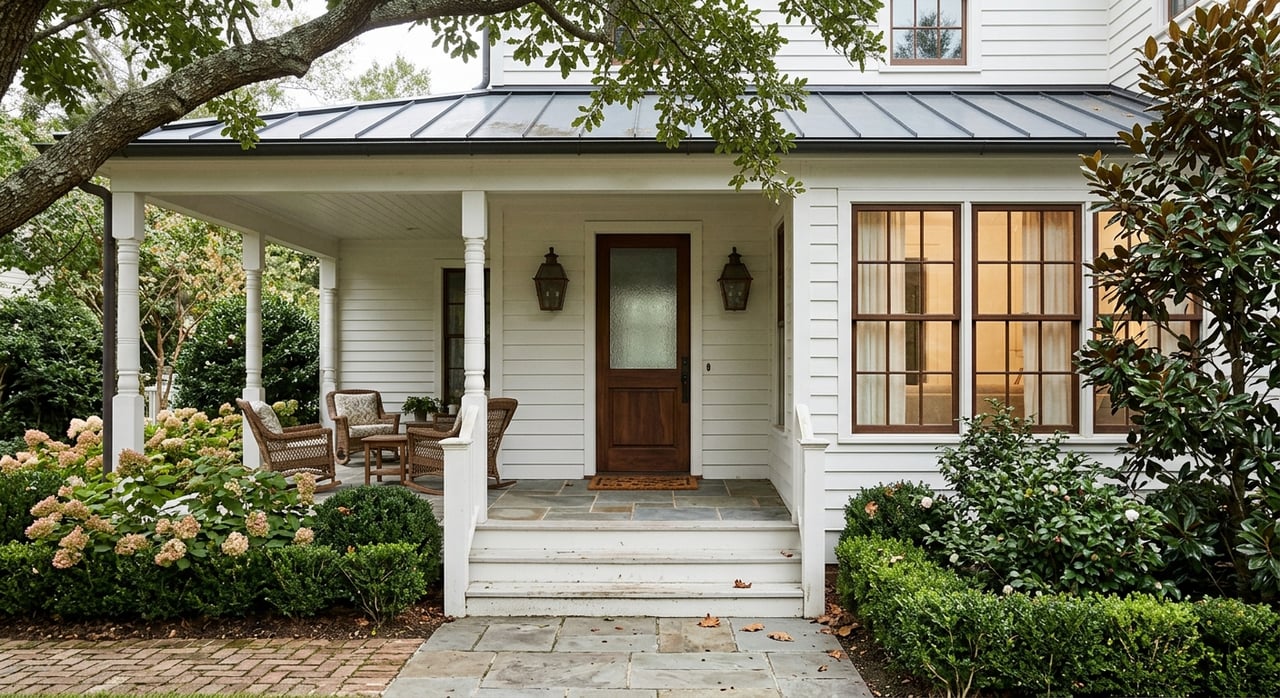
That architecture helps explain why front porches matter here. In Dilworth, a porch is not just a design detail. It often acts as a transition space between home and neighborhood, where people can greet passing neighbors, watch the street, or enjoy time outdoors without leaving home.
When a house sits closer to the sidewalk, everyday life becomes more visible in a comfortable way. You are more likely to notice people walking dogs, heading to the park, or chatting after dinner. That kind of low-key visibility can make a neighborhood feel more familiar and welcoming.
For buyers, this is one of the biggest lifestyle distinctions in Dilworth. The neighborhood’s appeal is tied not only to historic architecture, but also to how that architecture supports a more connected street experience.
Mature trees are a huge part of what makes Dilworth feel established and walkable. The Dilworth Tree Canopy Committee says street trees are integral to the neighborhood’s historic look and has worked with the city on a master street tree plan. The group also says more than 125 additional street trees have been planted in the past five years.
That investment matters because tree cover affects more than appearance. It helps define the streetscape, adds shade for walkers, and supports the kind of outdoor neighborhood life that Dilworth is known for.
If you are comparing Dilworth to other close-in Charlotte neighborhoods, the tree canopy is part of the value story. Shaded streets can make walking more pleasant and help reinforce the historic character that draws many buyers to the area.
The Tree Canopy Committee has also warned that without replanting, Dilworth’s character and walkability will suffer. That tells you something important about the neighborhood culture here: residents do not just enjoy the setting, they actively work to maintain it.
Dilworth’s look is not preserved by chance. The City of Charlotte says exterior alterations, new construction, demolition, landscaping, and even some tree-removal work in a local historic district may require a Certificate of Appropriateness.
The Dilworth Community Association says the Historic District Commission reviews exterior work to keep it compatible with neighborhood character. For homeowners, that can mean more structure around changes to a property’s exterior. For buyers, it can also offer reassurance that the broader streetscape is being thoughtfully protected.
If you are thinking about buying in Dilworth, it helps to go in with clear expectations. Historic district guidelines can affect what kinds of exterior projects are reviewed, and that may influence your renovation plans, timeline, or budget.
At the same time, many buyers see that review process as part of what helps preserve the neighborhood’s long-term appeal. When you are choosing Dilworth, you are often choosing a living historic environment, not just a house on a lot.
Dilworth’s community life is supported by more than architecture. The Dilworth Community Association is volunteer-run, open to people who live or work in Dilworth, and organized around committees such as Home Tour, Tree Canopy, Community Garden, Neighborhood Environment, and Dilworth Cares.
That kind of organized involvement is one reason Dilworth often feels active and engaged. The neighborhood has multiple ways for people to participate, whether they are interested in preservation, gardening, events, or broader community support.
Two traditions stand out in particular. The Home Tour invites guests to explore Charlotte’s first streetcar suburb and experience its front porch way of life. The Jubilee in Latta Park is described as a free, family-friendly event with live music, food trucks, a pet parade, and other activities, and it is framed as a tradition that has lasted more than 50 years.
These events matter because they make neighborhood identity visible. They also show that Dilworth’s sense of community is not abstract. It takes shape in recurring public events that bring people together in shared spaces.
Not all community life happens at big events. The Dilworth Community Garden offers 36 plots, shared workdays, and weekly donations of surplus produce to The Dilworth Soup Kitchen. Its organizers describe it as a neighborhood labor of love.
That detail says a lot about the neighborhood. Community in Dilworth is not just about aesthetics or nostalgia. It also shows up in practical, ongoing efforts that create connection and support others.
Dilworth’s central location is a major part of its appeal, but the lifestyle value comes from how easy it can be to move through the area without relying on a car for every trip. The City of Charlotte describes the Blue Line Rail Trail as an 11-mile pedestrian and bicycle route that, in places, is lined with shops, restaurants, outdoor seating, and games.
The city also says the trail connects to multiple major destinations and sees more than 2,000 users per day in some locations. For residents, that adds another layer to daily life by making walking and biking feel like realistic options, not just weekend activities.
East/West Blvd Station at 1821 Camden Street gives residents another mobility option. According to the City of Charlotte, the station includes bike racks, a covered waiting area, and Route 10 bus service.
If you want a neighborhood with access to parks, nearby activity centers, and public transit connections, Dilworth offers a more urban experience than many other Charlotte neighborhoods. That can be a major plus if convenience and mobility matter to you.
Every lifestyle neighborhood comes with tradeoffs, and Dilworth is no exception. The same central location and proximity to South End that support walkability and activity can also create more pressure on parking.
The City of Charlotte says parking demand from South End development has led staff to study a pilot residential parking permit program in Dilworth and Wilmore. For buyers, that is worth understanding upfront. If you are used to more suburban parking conditions, Dilworth may feel different.
This is not necessarily a drawback for every buyer. For some people, being close to parks, transit, dining, and neighborhood activity is well worth a tighter parking environment.
The key is matching the neighborhood to your lifestyle. Dilworth tends to work best for buyers who value character, walkability, and community engagement enough to accept a more urban set of day-to-day conditions.
What makes Dilworth special is how many pieces work together at once. Its historic roots, porch-oriented homes, mature trees, community organizations, recurring traditions, and walkable connections all reinforce one another.
That is why the neighborhood can feel both charming and practical. It offers history you can see, but also a daily lifestyle shaped by sidewalks, shade, shared spaces, and long-standing community involvement.
If you are buying or selling in Charlotte, understanding these neighborhood details matters. Dilworth is not just a name on a map. It is a place where design, preservation, and participation still shape how people live.
If you want help understanding whether Dilworth fits your goals, or how to position a home here for today’s market, start with local insight and a clear strategy. Talk to me first at Gary Burkart.
Stay up to date on the latest real estate trends.