Cross-Border Living In Fort Mill When You Work In Charlotte
April 23, 2026
April 23, 2026
If you work in Charlotte but want a more residential home base, Fort Mill is probably already on your radar. It gives you quick access to the Charlotte area while offering a suburban setting with parks, trails, and a housing mix that fits a range of lifestyles. The key is understanding what cross-border living really looks like before you move. Let’s dive in.
Fort Mill has become one of the stronger growth suburbs on Charlotte’s south side. According to the U.S. Census Bureau’s Fort Mill quick facts, the town’s 2024 population estimate reached 36,244, up 47.8% from 2020.
That growth helps explain why so many Charlotte-area buyers are looking here. Fort Mill also has an 83.4% owner-occupied housing rate, a median owner-occupied home value of $487,500, and a median household income of $121,823, which supports its reputation as a stable, primarily residential market.
For you, that often means a different pace than living closer to Charlotte’s urban core. You can still stay connected to the city for work, dining, travel, and events while coming home to a community that is more clearly built around residential living.
If you are thinking about living in Fort Mill and working in Charlotte, it is important to set realistic expectations. This is still a drive-first lifestyle.
The Census Bureau commute data for Fort Mill shows a mean travel time to work of 26.3 minutes. The same data and local planning materials reflect that about 70% of workers drive alone, 6.3% carpool, 0.5% walk, 0.4% use public transportation, and roughly 23% work from home.
That tells you a lot about daily life here. Fort Mill can work very well if you are comfortable with a car commute or have a hybrid schedule, but it is not the best fit if you want transit-oriented living.
For most Charlotte commuters, I-77 is the route that matters most. It connects Fort Mill to Charlotte job centers and is a major factor in how your morning and evening routine will feel.
The challenge is that commute times can vary. NCDOT’s update on the I-77 South Express Lanes project says the project is still only 10% to 15% designed, with construction not expected until the early 2030s, so you should not assume near-term congestion relief.
On the South Carolina side, SCDOT’s SC 160 and I-77 interchange work is part of the broader conversation around access and mobility. For now, the practical takeaway is simple: Fort Mill is a realistic commuter town, but route planning and schedule flexibility still matter.
If your work involves travel, Fort Mill’s location has another advantage. The town’s planning documents highlight proximity to Charlotte, I-77, and Charlotte Douglas International Airport.
That can make a big difference if your week includes office days, client meetings, and flights. Living in Fort Mill can give you a manageable home base for all three.
The appeal of Fort Mill is not just the commute. It is also what you get when the workday ends.
The town has a strong recreation and outdoor access story. Walter Y. Elisha Park is a 12-acre downtown park with a walking trail and hosts the town’s Strawberry Festival, while the Fort Mill YMCA at the Complex includes fitness facilities, aquatics, courts, ballfields, and access to the Anne Springs Close Greenway trailhead.
Fort Mill’s trail planning also focuses on connecting trails to transportation corridors, parks, schools, and other destinations. For you, that can translate to easier ways to build outdoor time into a busy workweek.
This is one reason Fort Mill appeals to many buyers who work in Charlotte. You can spend part of your day in the city, then come home to a setting where recreation is woven more naturally into everyday life.
If you work from home a few days a week, that balance can feel especially attractive. The combination of suburban convenience and outdoor access is one of Fort Mill’s biggest draws.
Many buyers picture Fort Mill as a place filled only with detached suburban homes. In reality, the housing mix is broader than that.
According to the Fort Mill comprehensive plan, active and approved housing is mostly planned as single-family residential, with the remainder in townhomes, multifamily, and senior housing. The town’s existing supply also includes single-family detached homes, townhomes, multifamily units, and senior housing.
That gives you more than one path depending on your budget, maintenance preferences, and commute goals.
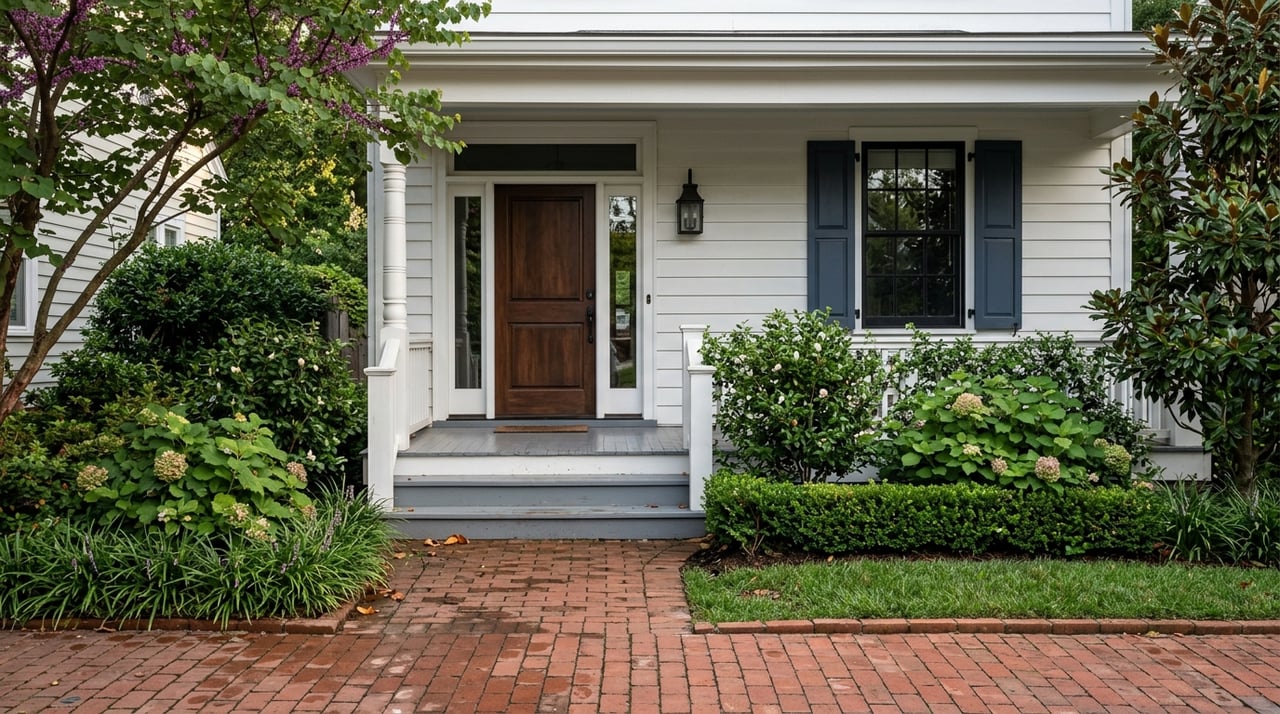
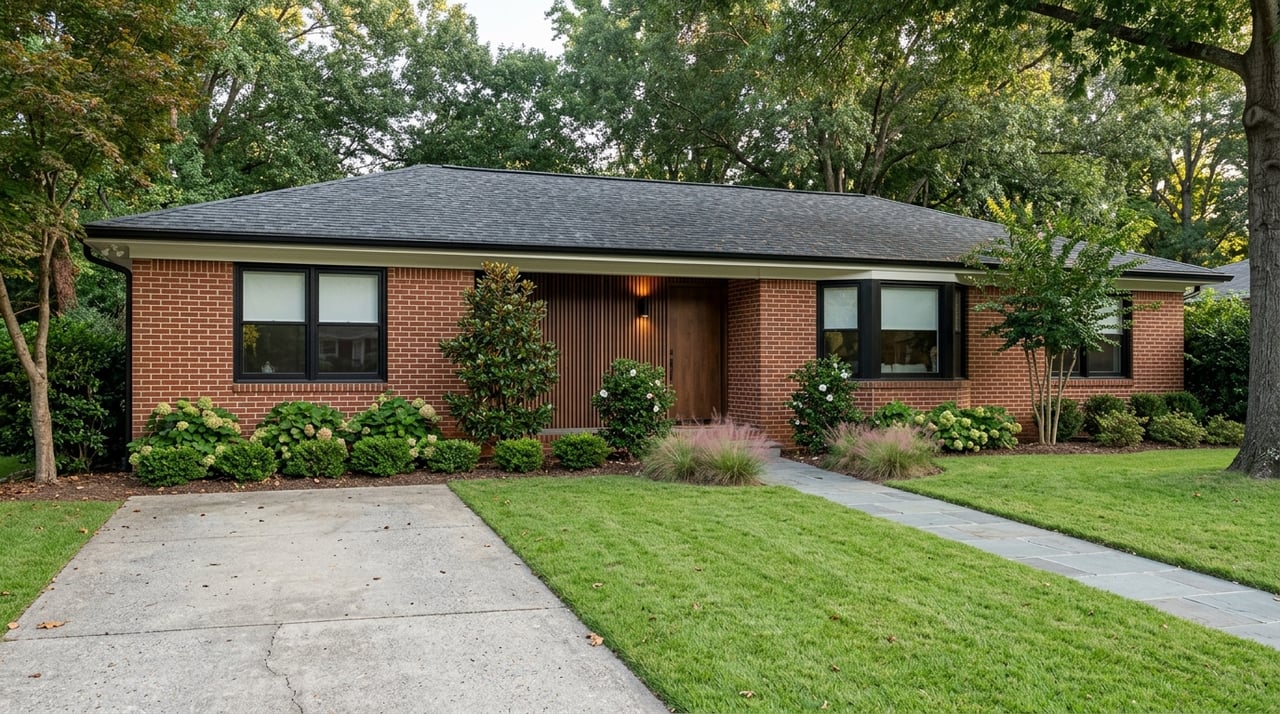
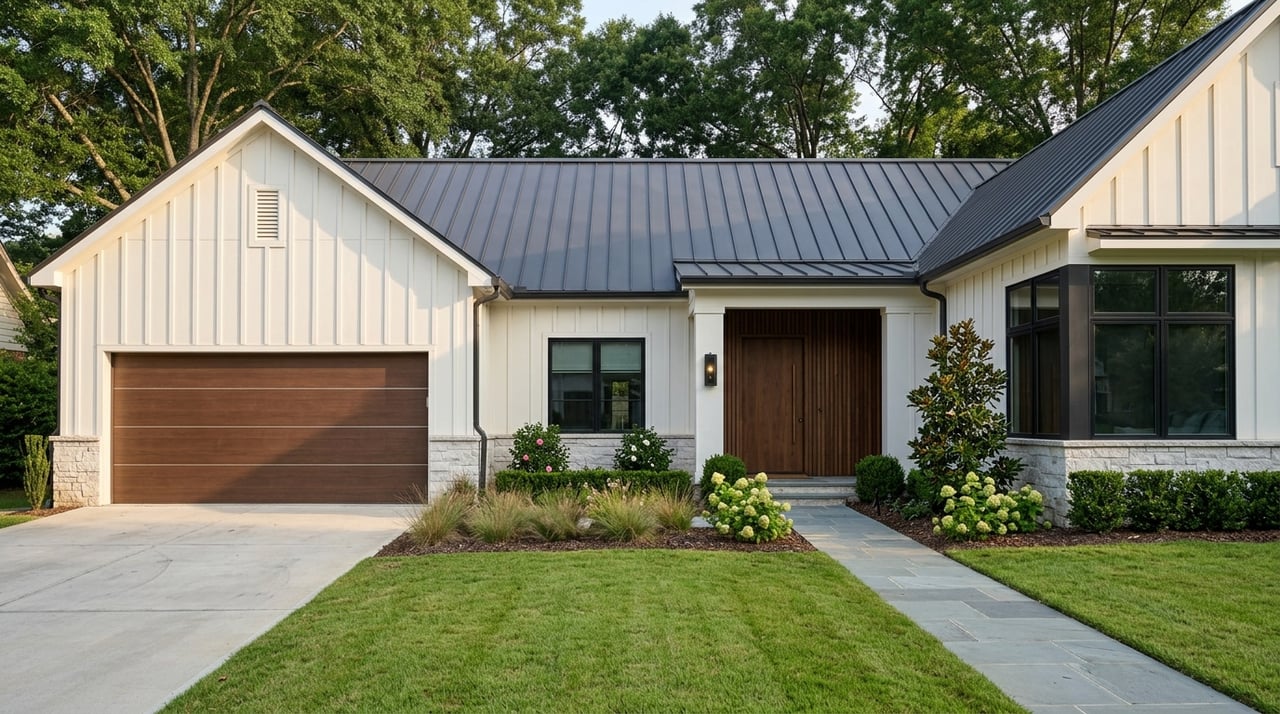
Here are a few home types you are likely to see in Fort Mill:
Because Fort Mill sits at a premium to the broader county market, it is smart to go in with clear expectations. Census data shows Fort Mill’s median owner-occupied home value is $487,500, compared with $361,300 in York County overall, which helps explain why buyers often see Fort Mill as a higher-demand submarket.
Yes, absolutely. Working in Charlotte does not stop you from buying a home in Fort Mill.
From a lending standpoint, the state line is usually not the issue. The Consumer Financial Protection Bureau explains that lenders look at your credit, debt, savings, assets, and income, and its homebuying guidance notes that buyers ideally have at least two years of steady income.
In plain terms, North Carolina employment is normal mortgage documentation for a South Carolina home purchase as long as your income is stable and well documented. If you are relocating or changing jobs at the same time, that is when planning ahead matters most.
The move itself may be straightforward, but a few logistics deserve extra attention when you live in one state and work in another.
Taxes are usually the biggest adjustment for cross-border buyers. According to the South Carolina Department of Revenue, South Carolina residents are taxed on all income regardless of where it is earned and may claim a credit for income tax paid to another state.
North Carolina also taxes income from North Carolina sources and allows a credit for taxes paid to another state on the same income. In practice, if you live in Fort Mill and earn wages in Charlotte, you will generally need to pay attention to both states’ withholding and returns, especially during the year you move.
Another detail that surprises some buyers is how closings are handled. The South Carolina Bar states that preparing legal instruments, handling title work, conducting the closing, and recording documents are all considered the practice of law and must be supervised by a licensed South Carolina attorney.
That makes the closing process a little different from what some North Carolina buyers expect. It is one reason many cross-border clients benefit from working with an advisor who already understands both systems and can help coordinate the moving parts.
Property taxes are also worth reviewing early. The South Carolina Department of Revenue property tax guide notes that property tax is administered locally with state assistance, and an owner-occupied primary residence may qualify for the 4% legal-residence assessment ratio if it is your permanent home and you apply through the county assessor.
If you are comparing monthly ownership costs, be sure to confirm whether the home will be your primary residence, second home, or investment property. That distinction can affect your tax picture.
Fort Mill often makes sense if you want to stay connected to Charlotte without living in Charlotte full-time. It can be a strong match for buyers who value a residential setting, outdoor amenities, and a housing market with a high owner-occupied base.
It tends to work best if you are comfortable with a commute that depends on I-77, or if you have enough flexibility in your schedule to avoid treating the drive as a deal-breaker. If that sounds like your lifestyle, Fort Mill deserves a serious look.
When you are weighing a move across the state line, local guidance can save you time and stress. If you want help comparing neighborhoods, understanding the South Carolina buying process, or planning a Fort Mill move while keeping your Charlotte job, connect with Gary Burkart first.
Stay up to date on the latest real estate trends.