Historic Charm Vs New Luxury In Myers Park Homes
March 26, 2026
March 26, 2026
Torn between a stately 1920s brick Colonial and a sleek new build nearby? You are not alone. In Myers Park, the choice often comes down to timeless character versus turnkey convenience. This guide breaks down the real differences in layout, maintenance, energy performance, design rules, resale, and costs so you can move forward with confidence. Let’s dive in.
Myers Park is a nationally recognized historic neighborhood planned in the early 20th century with a celebrated landscape plan by John Nolen and later Earle Sumner Draper. You will find a high concentration of Colonial Revival, Tudor Revival, and Craftsman/Bungalow homes built mainly in the 1910s–1930s, along with leafy setbacks and mature trees that define the streetscape. Much of the neighborhood is listed on the National Register of Historic Places, which documents its architecture and planning history. If you want a primer on the area’s heritage and styles, explore the city’s National Register inventory for Myers Park published by the City of Charlotte.
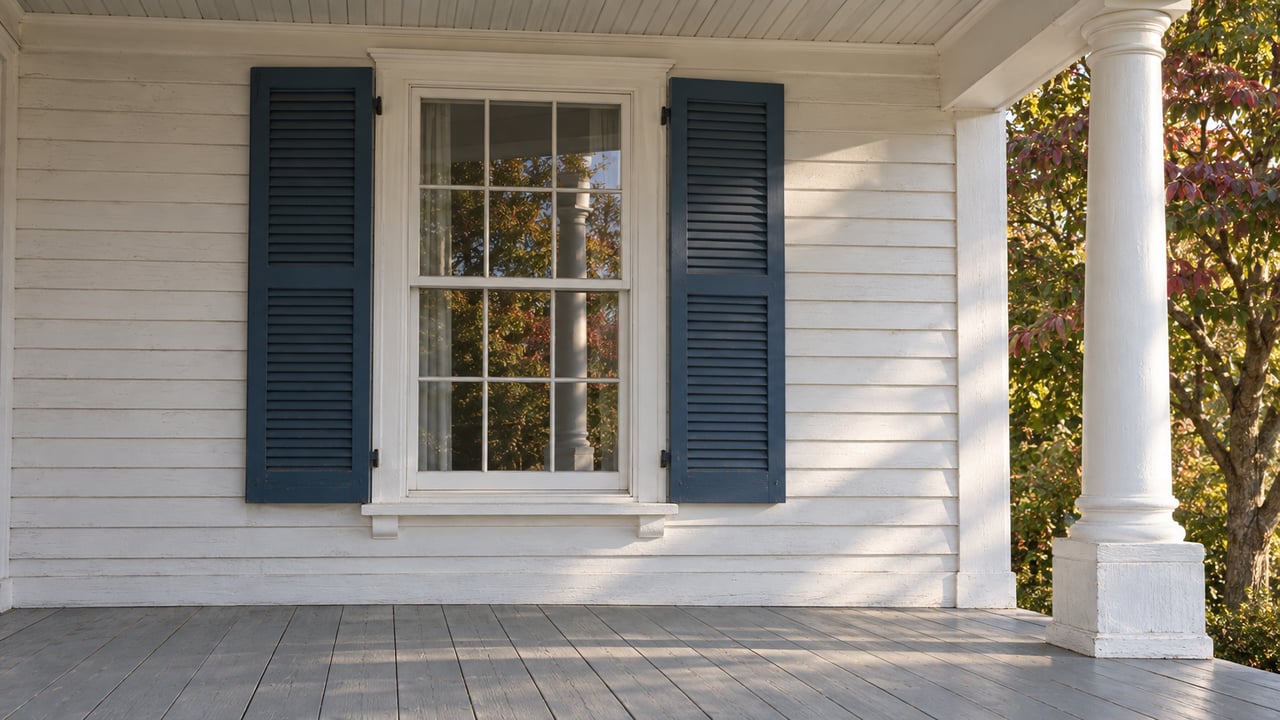
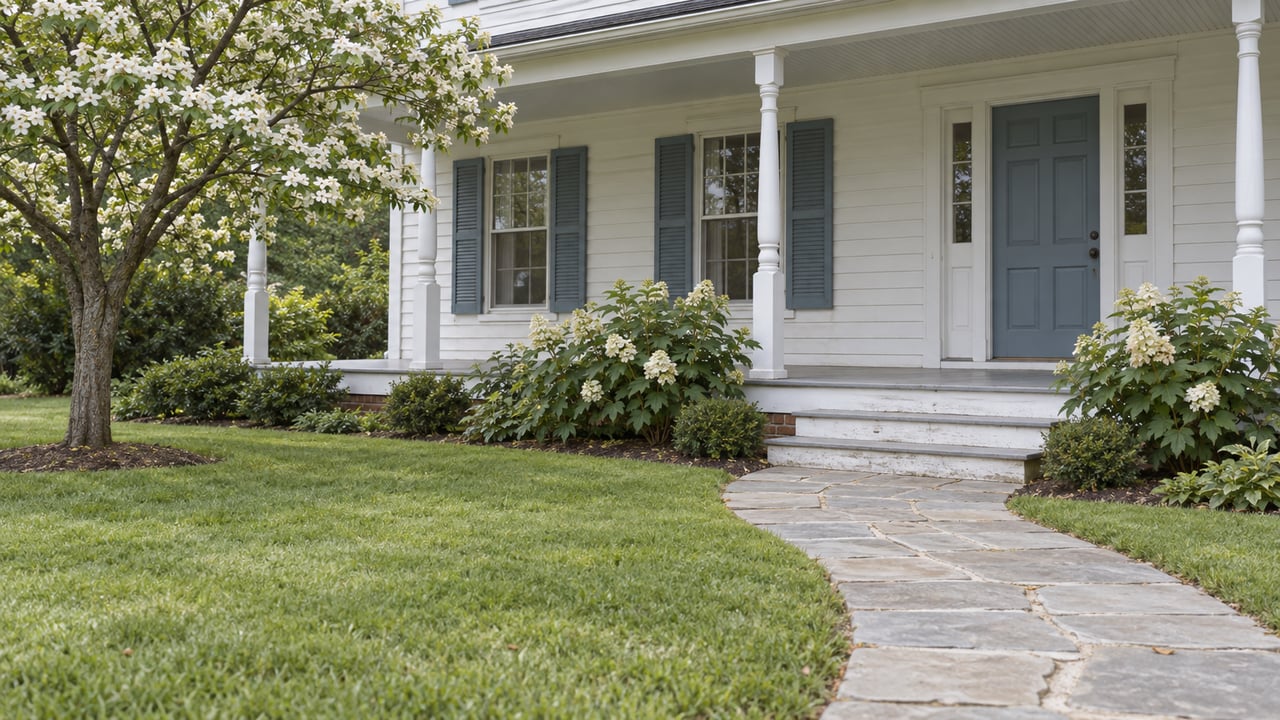
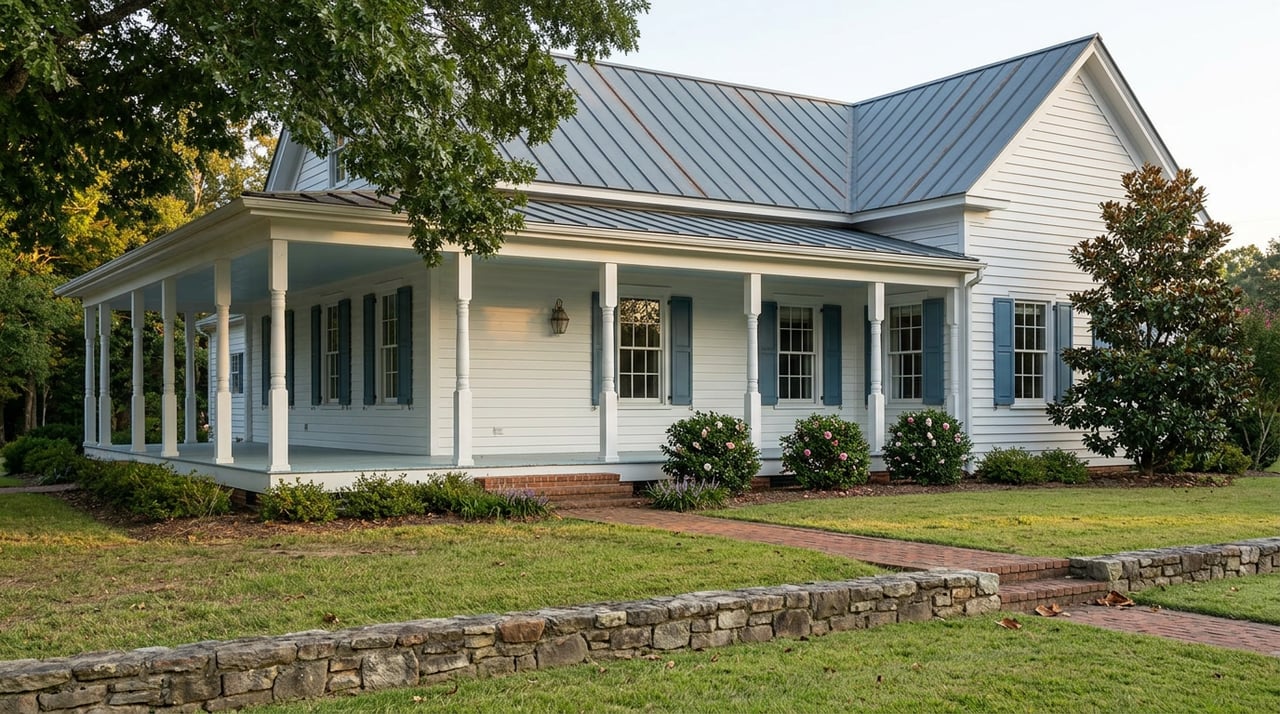
Historic Myers Park homes deliver a level of craftsmanship and streetscape continuity that many buyers seek. Expect original millwork, built-ins, period fireplaces, and traditional façades that contribute to a cohesive neighborhood feel. The tradeoff is that these homes often reflect early 20th‑century floor plans that may need selective updates for today’s lifestyle.
Most prewar homes here were designed with distinct rooms rather than fully open plans. You will likely see formal living and dining rooms, a kitchen separate from the entertaining spaces, and smaller secondary bedrooms. Creative remodeling can open up circulation while protecting character, but it takes thoughtful design and sometimes structural work. If you value intimate, defined rooms and historic details, these homes excel.
Older houses can carry added maintenance. Common items include roof age, window frame repair, older wiring or panels, cast‑iron plumbing, plaster repair, and foundation settlement. When it comes to windows, many preservation experts recommend repair and storm or interior secondary glazing rather than wholesale replacement to preserve character and performance. For a deeper look at wood window performance versus vinyl, review this guidance from This Old House: wood vs. vinyl windows.
With historic homes, comfort gains are very achievable through air sealing, attic insulation, and thoughtful window strategies. The EPA’s retrofit advice emphasizes targeted air sealing and insulation first, which often yields strong results without altering historic fabric. If energy savings matter, start with these fundamentals and document changes for future resale value. See the EPA’s overview of practical retrofit steps: energy advice for existing homes.
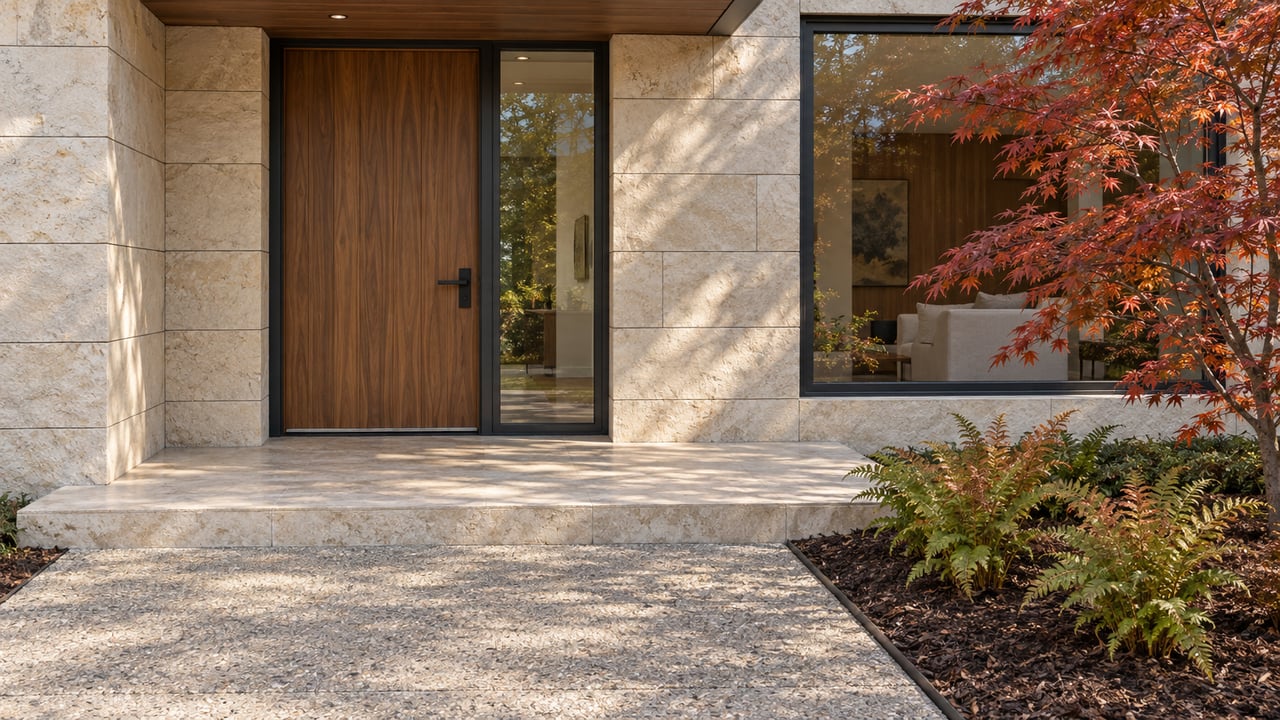
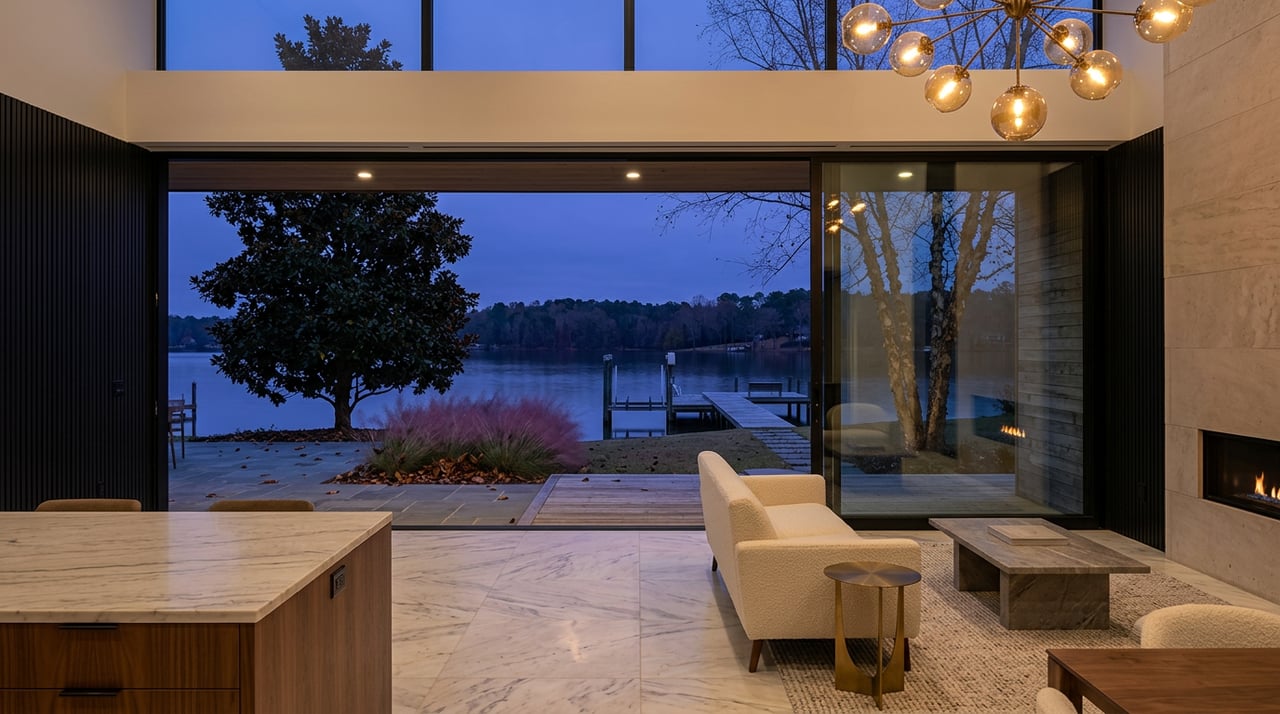
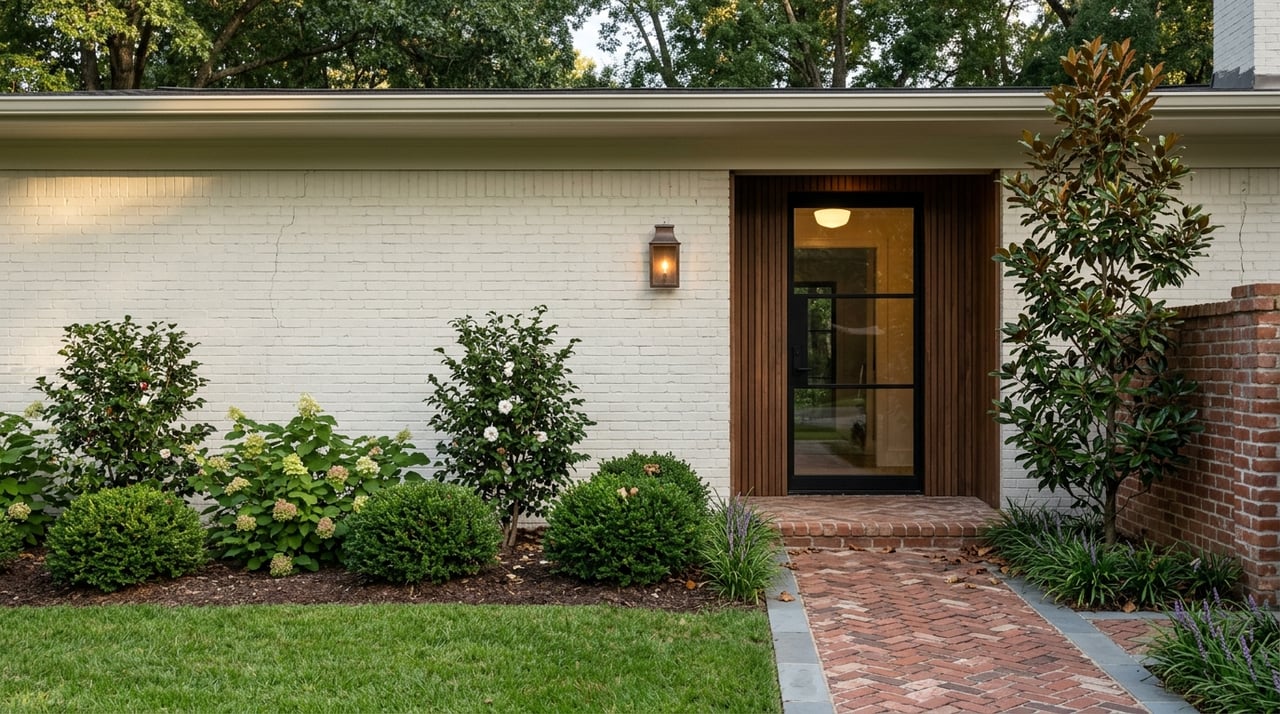
New construction and high-end infill near Myers Park are designed for modern living from day one. You will see open-concept great rooms, large kitchen islands, multiple en‑suite bedrooms, office niches, and integrated indoor–outdoor spaces like terraces or roof decks. Builders frequently include smart-home wiring, high‑efficiency systems, and private garages.
Industry surveys show that today’s buyers prioritize open kitchens, energy‑efficient windows, programmable thermostats, and dedicated storage. That is exactly how many new luxury homes are packaged, which reduces the need for near‑term remodeling. For a snapshot of what recent buyers consider essential, review NAR’s feature round‑up: what new-home buyers want.
New builds typically use code‑compliant systems, high‑efficiency HVAC, and modern electrical and plumbing. Many also come with structured warranty coverage. A common pattern is 1 year for workmanship, 2 years for systems, and 10 years for major structural defects through third‑party administrators. Always check the exact terms and transferability. Learn how typical 1‑2‑10 coverage works here: 2‑10 Home Buyers Warranty overview.
Performance-focused programs like ENERGY STAR and DOE Zero Energy Ready certify homes that meet higher efficiency standards than typical existing inventory. Features such as sealed ducts, right‑sized heat pumps, and balanced ventilation can boost comfort and reduce bills. Ask builders for blower‑door results, HERS scores, or ENERGY STAR documentation when available. Read more about new-home certification programs: ENERGY STAR residential programs.
It is essential to understand the distinction between National Register listing and local historic-district regulation. National Register status is primarily honorary and does not by itself control everyday changes. Certain small areas inside Myers Park are locally designated historic districts, which do require a Certificate of Appropriateness for exterior changes reviewed by the Historic District Commission. Before you plan an addition, a window change, or a new build, verify whether the property is inside a local historic district and learn the HDC process: City of Charlotte Historic Districts and HDC.
Well‑maintained historic districts often support nearby property values and long‑term neighborhood stability. The premium varies by city and depends on the specific rules in place, but market prestige tied to character can be significant. Buyers who invest in sensitive upgrades and document improvements tend to enjoy strong market interest when it is time to sell. For a broader look at how old places contribute to local economies, see this overview: why old places matter to economics.
In a high‑amenity, lot‑constrained area like Myers Park, new or recently built homes can command a premium because they deliver modern layouts and features without sacrificing the address. Inventory is limited, and demand for turnkey homes with warranties can be strong. When you evaluate resale potential, compare recent, hyper‑local sold comps for both renovated historic homes and new builds within a few blocks.
When you compare a 1920s classic to a newer luxury option, look beyond the purchase price. Build a five to ten‑year cost view. For a historic home, list likely near‑term items like roof work, electrical updates, HVAC replacement, and masonry maintenance. For a new build, account for potentially lower system costs in the early years, but budget for premium-finish care like stone sealing or landscaping upkeep.
A total cost view also includes energy and insurance. Ask sellers for 12 months of utility bills and compare them to modeled or certified performance for new construction. On insurance, older homes with dated systems may face more scrutiny or require upgrades before standard carriers will write a policy. Speak with your insurer early and ask about replacement‑cost and ordinance or law endorsements. For an overview of how features and age can affect premiums, review this practical guide: home insurance considerations for older properties.
Use this checklist to keep your search focused and fact‑based:
If you light up when you see original millwork, tree‑lined setbacks, and classic façades, a historic home may be your best fit. Plan for selective upgrades and enjoy character you cannot easily recreate. If you want open rooms, modern systems, and low near‑term maintenance, a new luxury home offers immediate convenience and strong market appeal. Either way, align your choice with how you live day to day and how long you plan to stay.
Ready to compare specific properties side by side and run a true five to ten‑year cost view? Let’s have a focused, data‑backed conversation about your goals in Myers Park. When you are ready, connect with Gary Burkart and talk to me FIRST.
Stay up to date on the latest real estate trends.